
Published: 16 Apr 2026, 06:21 am
Let’s face it—life rarely takes a break. Sometimes you just want to press pause and find a bit of peace somewhere real, somewhere that feels meaningful. India’s Buddhist monasteries are made for that sort of escape. They’re more than prayer halls—they’re living, breathing centers where tradition meets the daily quiet of meditation, and every corner whispers a bit of history.
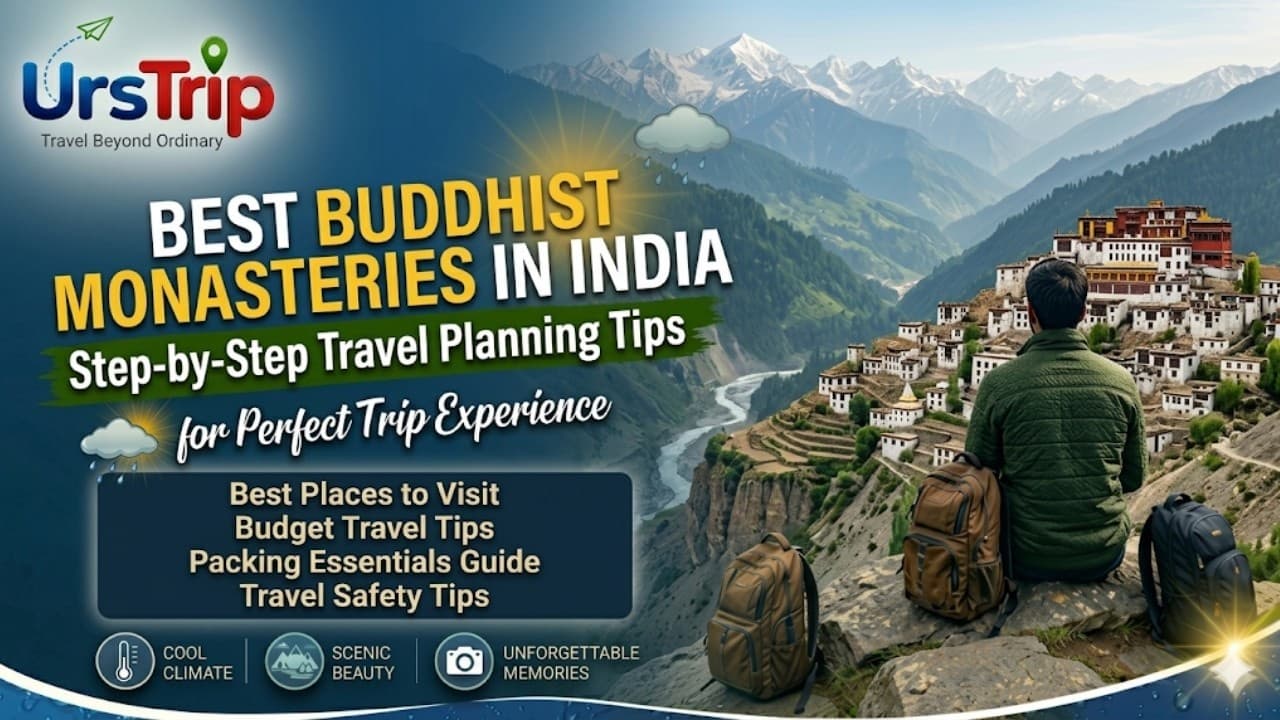
India’s the birthplace of Buddhism, after all. Scattered across its mountains and valleys, from the cloud-brushed gompas of Ladakh to the hidden monasteries tucked away in the northeast, these places each have a soul of their own. Geography, history, and local culture all shape how they feel. Planning a visit? You’ll want the inside scoop, so here’s a guide to the best Buddhist monasteries in India, with a mix of travel tips, stories, and practical advice for the modern wanderer.
Sitting high above the Tawang Valley, Tawang Monastery is the biggest in India—and possibly its most important. It’s at 10,000 feet, right where the clouds brush the hills. This place isn’t just about prayer; it sets the rhythm for local life and culture.
In Ladakh, Hemis Monastery stands out, hands down. It’s rich in every sense—with ancient relics, stunning murals, and the annual festival where masked dancers honor Guru Padmasambhava.
Rumtek is the beating heart of Tibetan Buddhism in Sikkim. It’s the spiritual seat of the Karma Kagyu school.
Down south in Karnataka, Namdroling Monastery—also called the Golden Temple—sits right among coffee plantations. Here, Tibetan culture thrives in exile.
Picture the Potala Palace in Lhasa—and now imagine it on an Indian hillside. That’s Thiksey. The tiered monastery draws visitors for its structure and for the giant statue of Maitreya Buddha.
Just outside Darjeeling, Ghoom Monastery is one of the oldest around. Peaceful, historic, and super accessible.
High above the Spiti River, Key Monastery is almost unreal perched atop its hill. It’s both a monastery and a training ground for monks.
Which is the most famous Buddhist monastery in India?
Tawang Monastery usually tops the list for size and history.
Are Buddhist monasteries open to tourists?
Yes, most welcome visitors, though some prayer areas are monks-only.
Can visitors meditate in monasteries?
Some places offer short meditation sessions, and a few host proper retreats.
Best time to visit Ladakh monasteries?
Go between May and September for open roads and good weather.
Do monasteries charge entry fees?
Usually no or minimal fees—donations appreciated.
Visiting India’s Buddhist monasteries isn’t about collecting Instagram shots. It’s about slowing down, taking it all in, and seeing how mindfulness shapes another way of life. Every monastery feels different, steeped in its own mix of culture, prayer, and landscape.
If you want more from travel—if you’re chasing clarity and real connection—these places go beyond sightseeing. Come with respect and an open mind, and you might just leave with a quieter heart and a fresh perspective.