
Published: 19 May 2026, 02:32 pm
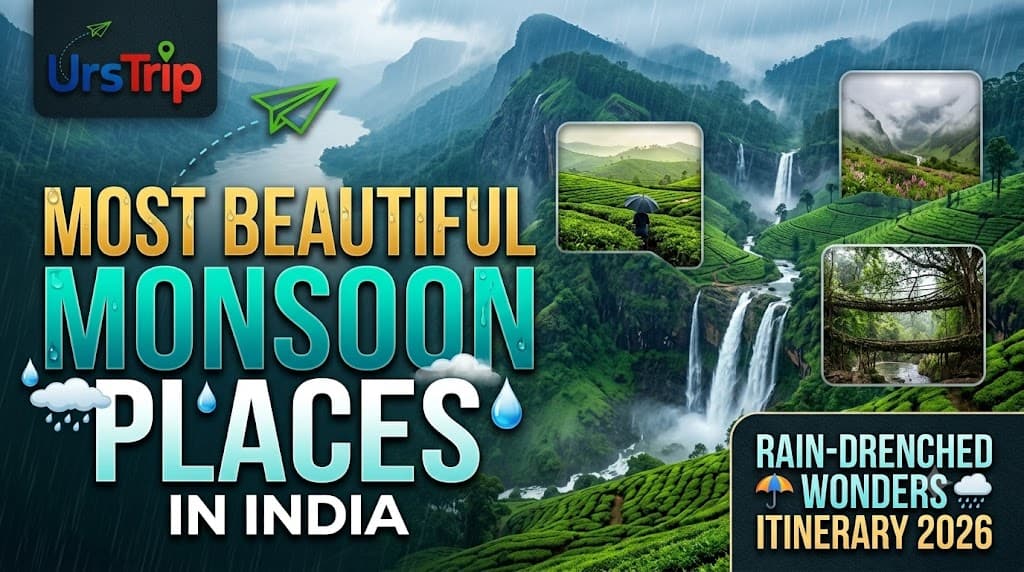
When the monsoon hits, India really wakes up. Brown fields turn into rolling green hills, waterfalls roar back to life, and everything feels fresh. It’s an underrated time to travel. Most people steer clear of the rain, but honestly, if you pick your spots, you get quiet, gorgeous views and some great travel deals.
You’ll find hills and forests looking their best, way fewer tourists in most places, and lower prices on everything from hotels to tours. If you’re after peace, romance, or
just good scenery, this is your season.
Why go: Rolling tea gardens, clouds drifting over the hills, and cool, clean air.
Best months: June to September.
Why go: The whole place smells like coffee, forests turn magical, and waterfalls are everywhere.
Best months: July to September.
Why go: Easy weekend trip if you’re near Mumbai, with lots of green valleys, mist, and wild waterfalls.
Best months: June to August.
Why go: The city’s lakes fill up, everything feels dreamy, and there’s a lot less rush than in winter.
Best months: July to September.
Why go: Home of the world’s most dramatic rain, living root bridges, and waterfalls you’ll want to see twice.
Best months: June to September.
Why go: Beaches are quieter, everything turns lush, and it’s a totally different, calmer vibe.
Best months: June to September.
Why go: Rare alpine flowers explode in color and the whole place feels unreal—plus it’s a UNESCO site.
Best months: July to August.
Why go: Awesome viewpoints, loads of waterfalls, nice spot for a short break.
Best months: June to September.
Major cities have flights nearby, or you can go local with trains and buses for less money. If you love exploring at your own pace, rent a car.
Check out all the waterfalls, walk in the forest, ride through tea or coffee plantations, and take a boat out on a lake if the weather is good. Every region’s got its own
rainy season comfort food—try it! Cafés and local markets feel extra cozy during a downpour.
Travel on weekdays to dodge both crowds and high prices. Book your hotel ahead, use public transport when you can, and ask about off-season deals.
Always pack a raincoat or umbrella, keep an eye out for landslide warnings in hilly areas, check the forecast, and wear good shoes.
Day 1: Arrive, get your bearings, and check out the town.
Day 2: Go waterfall hopping and hit the viewpoints.
Day 3: Take it easy, maybe grab some local snacks, and head back.
Best place to visit during monsoon?
Munnar and Meghalaya top the list.
Is it safe?
Yes, as long as you steer clear of risky areas and keep an eye on the weather.
Best hill stations?
Coorg and Mahabaleshwar never disappoint.
Goa in the rains?
It’s quieter—and surprisingly beautiful.
Monsoon in India isn’t just rain—it’s green landscapes, quiet escapes, and a little bit of magic. Make a good plan, stay flexible, and you’ll see a side of India that most travelers miss. Sometimes, the best trips are the ones where you just go with the flow—even if it’s pouring.