Published: 15 Apr 2026, 10:43 am
Switzerland feels a bit unreal when you first imagine it—towering peaks dusted with snow, lakes so clear they look painted, perfect little villages, and trains winding through valleys like something out of a movie. So, it’s easy to dream about a trip here. The tricky part? Figuring out how to actually pull it off without going nuts over costs, schedules, and way too many options.
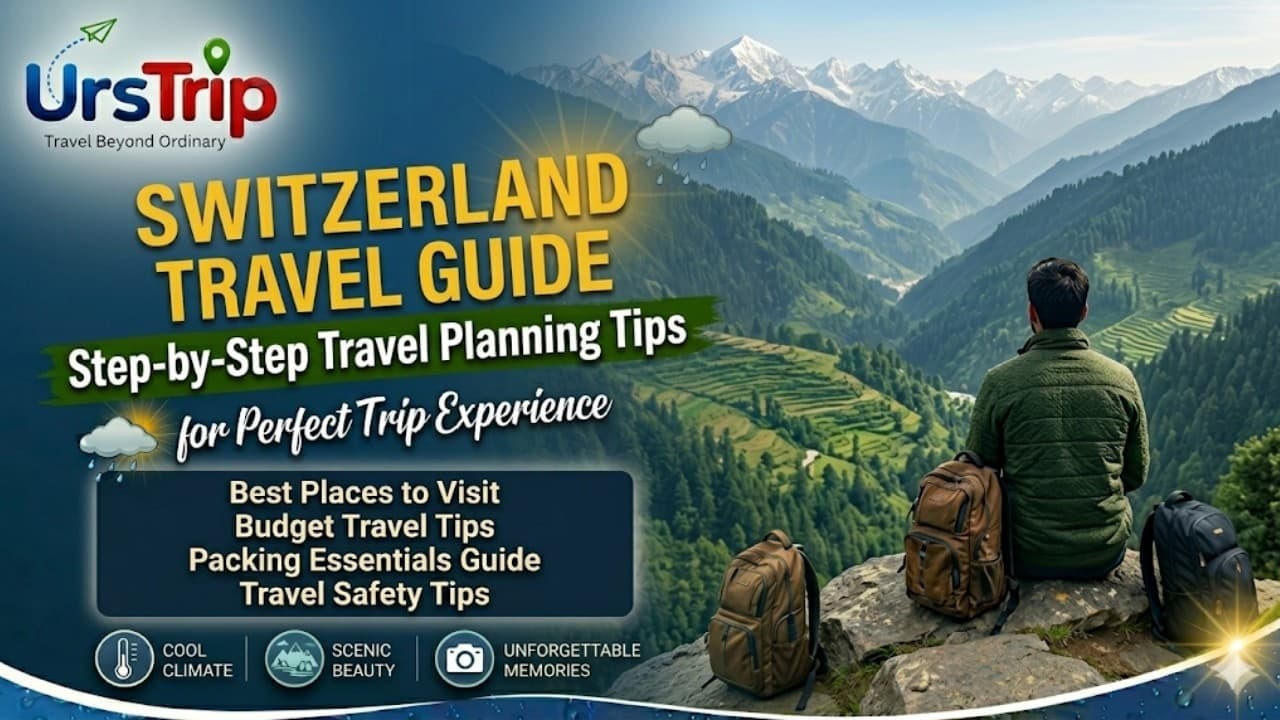
That’s where this Switzerland travel guide comes in. It takes away the overwhelm and lays things out simply—when to go, how to get there, where to stay, what to eat, and what you really can’t miss. Whether you’re traveling solo, bringing the family, exploring as a couple, or are new to Europe altogether, this guide helps you get the most out of Switzerland.
Tucked into the middle of Central Europe, Switzerland is compact but packs in a ton—Alps, gorgeous lakes, quick and easy trains, and a mix of cultures shaped by German, French, and Italian roots. The essentials: the capital is Bern, you’ll use Swiss Francs (CHF), and most people speak German, French, Italian, or Romansh, depending on where you are. The whole country runs on Central European Time (CET).
Everything is organized, safe, and clean. So if you love smooth travel days with plenty of scenery, you’ll probably love it here.
Honestly, there’s no single “best” time—it depends on what you want.
Spring (April–June): Think melting snow, wildflowers, and not too many people. Great for exploring lake towns and soaking up the scenery.
Summer (July–September): Now’s the time for hiking, high-mountain adventures, and long sunny days. This is peak season, so things cost a bit more and you’ll have company on the trails.
Autumn (October–November): Golden hills, grape harvests, and a slower pace—especially in the valleys. Quieter, but still stunning.
Winter (December–March): If you ski or just want a storybook winter vibe, this is your window. Christmas markets and snow everywhere.
For first-timers, June and September usually hit the sweet spot for nice weather, fewer crowds, and all the classic views.
Switzerland connects easily to the rest of the world. Fly into Zurich, Geneva, or Basel—those are the main international airports. If you’re already in Europe, high-speed trains get you in quickly and comfortably.
Getting Around
Here’s the good news: you really don’t need a car. Trains, buses, and boats reach just about everywhere you’ll want to go. The Swiss Travel Pass makes things even easier—you hop on and off almost any train, bus, or boat, no stress. And a lot of these train routes are attractions by themselves, gliding past lakes and straight through mountains.
Switzerland can be pricey, but there’s some range. Hostels are solid in bigger cities, and you can find guesthouses or chalets for a little less, especially if you stay just outside the main city centers.
For mid-range, try cozy Alpine lodges or small hotels; many are family-run and include breakfast. If you’re after something special, book a lake-view hotel, a turn-of-the-century mountain resort, or a luxury spa spot. Tip: Smaller towns are often cheaper than the city and the views are just as good, sometimes better.
Lucerne: Walk across the storybook wooden Chapel Bridge, take a cruise on the lake, or head up Mount Pilatus or Rigi for killer views.
Interlaken: Base yourself here for easy access to the Jungfrau region—think waterfalls, adventure sports, and some of the most jaw-dropping mountain scenery in Switzerland.
Zermatt: The Matterhorn steals the show. This car-free village has the classic mountain vibe.
Bern: The old town is UNESCO-listed, full of medieval architecture and charm.
Montreux: Lovely lakeside strolls, nearby hillside vineyards, and castles. Relaxing pace and great scenery.
Take a scenic train ride through the Alps. These are way more than just transportation—they’re a highlight of any trip.
Go on a lake cruise: Lake Lucerne and Lake Geneva are perfect for a lazy afternoon.
Ride a cable car up to a panoramic viewpoint. The vistas from up top are next level.
Wander old towns and mountain villages. It’s a totally different pace.
And, of course, try the cheese and chocolate. They don’t joke around with either.
Swiss food might not be fancy, but it’s filling and perfect after a day in the mountains—cheese fondue, raclette, rösti (think crispy potatoes), plus chocolate and flaky pastries everywhere. Eating out costs a lot, so many travelers grab prepared meals from supermarkets for lunch and save their splurge for a nice dinner. Locals value punctuality, cleanliness, and staying respectful, especially in public.
Yes, Switzerland is expensive. But you can keep it under control:
Buy groceries for meals—supermarkets are everywhere.
Get a Swiss Travel Pass for unlimited rides.
Pick smaller towns over city centers to save on lodging.
Travel in spring or fall (fewer tourists, better deals).
Don’t bother buying bottled water—the tap water is always good.
With a little planning, Switzerland feels a lot more affordable than most people expect.
Switzerland is one of the safest places you’ll visit. Crime rates are low, hiking trails are marked and maintained, and if you run into issues, emergency services are quick and reliable.
A few smart tips: always check the mountain weather before heading out, pack travel insurance (just in case), and respect local signs and rules. Solo travelers and families both find Switzerland easygoing and stress-free.
You’ll get a taste of everything: cities, mountains, and those classic scenic train journeys.
Is Switzerland expensive for tourists?
Yeah, it’s up there, but you can manage with smart choices—use public transport passes, eat some meals from grocery stores, and book budget lodging outside big city centers.
How many days do I need in Switzerland?
Five to seven days covers the highlights for first-time visitors.
Is Switzerland safe for solo travelers?
Absolutely—probably one of the safest countries in Europe.
Do I need a visa?
Depends on your nationality. Many travelers will need a Schengen visa.
Is English spoken here?
Yes—especially in tourist spots, it’s easy to get by.
Switzerland is best when you slow down and enjoy those train rides, lazy walks along the lake, or simple village evenings. Try not to cram too much in—this is a place to soak up crisp mountain air, admire the details, and let the scenery sink in.
With good planning and realistic expectations, Switzerland is way less intimidating—maybe even stress-free. Travel smart, respect how things work here, and you’ll end up with a trip that’s not just beautiful, but one of the most memorable you’ll ever have.