
Published: 16 Apr 2026, 05:13 pm
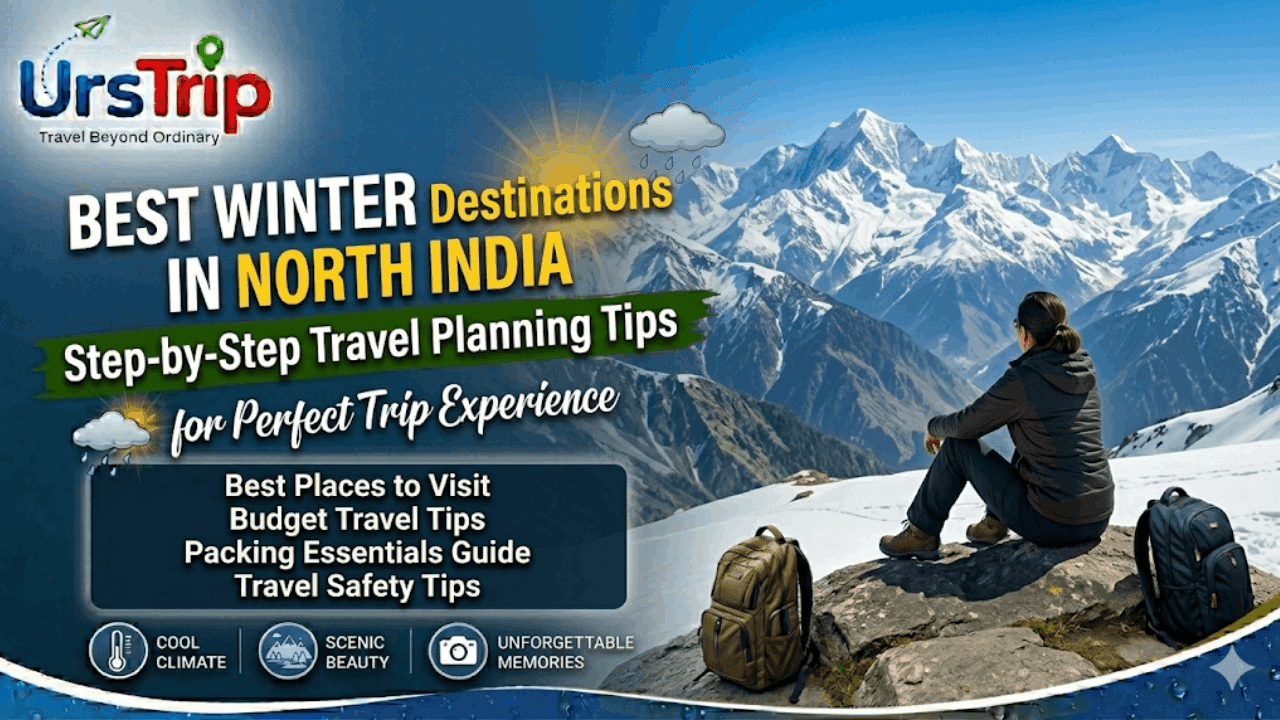
When winter rolls into North India, the whole place just changes. Mountains get dusted with snow, mornings settle in with a cold fog, deserts cool down enough to actually enjoy, and even the old towns seem quieter, almost magical. Some people shy away from the cold, but honestly, if you plan it right, winter’s the time you get the best out of North India.
So, where should you go? This guide covers top winter destinations—places that really shine from November through February. Whether you’re craving snowy adventures, old-world charm, spiritual breaks, or just something different, there’s a spot here that’ll fit what you’re after.
If you picture snowy slopes and fresh mountain air, Manali’s got you covered. In winter, it’s all about snowy adventures, beautiful views, and cozy guesthouses.
Shimla is classic. There’s a colonial vibe, reliable snowfall, and it’s pretty easy to get to, so it works well for families or if you’re traveling with older folks.
If you want heavy snow and some of the best skiing in India, head to Gulmarg.
Auli is famous for stunning Himalayan views and smooth ski slopes.
Winter’s the best season if you want to explore Amritsar’s rich food, history, and spiritual spots without melting in the heat.
Visit between: November and February.
Top experiences: Wake up early for the Golden Temple, catch the Wagah Border ceremony, and dig into local street food.
Jaipur gets busy, but winter means cooler days to explore the forts, palaces, and bazaars.
When to go: November to February.
Must-see: Amber Fort, City Palace, the city’s wild markets.
Don’t skip: A spicy Rajasthani thali or winter sweet treats.
The desert’s just better in winter—days are pleasant, and the city’s alive with festivals and events.
Best time: December to February.
What to try: Camp out in the desert, ride a camel, and wander the famous fort.
Winter mornings in Varanasi are foggy, peaceful, and just right if you want a spiritual break.
Go between: November and February.
What to do: Attend the Ganga Aarti, take a sunrise boat ride, walk the old city streets.
If you need a quiet escape, yoga, or just some time by the river, Rishikesh is great in winter.
Best time: October to February.
Who it’s for: Anyone looking for a spiritual or relaxed solo trip.
To save money, book your accommodation early if you’re coming in December or January. Trains or shared taxis will keep travel costs down, and traveling just before or after peak dates usually means better deals.
For safety: Pack thermal wear and bring a waterproof jacket, especially for the hills. Check the local road situation if you’re headed somewhere snowy, and avoid driving at night on winding mountain roads. Always watch the current weather alerts—it can change quickly.
Where’s the coldest place in North India? Gulmarg and Auli. They get the most snow and lowest temps.
Is Rajasthan worth visiting in winter? Totally. Days are comfortable, so it’s the perfect season.
Are winter trips safe in North India? Yes, just plan ahead and dress right for the cold.
Best places for families? Shimla, Jaipur, and Amritsar work well for family trips.
Can international tourists travel in North India during winter? Definitely. It’s a great time for sightseeing and cultural adventures.
Winter strips away the crowds and noise, showing you a quieter, more real North India. Hill towns turn into snowy retreats, the desert’s suddenly inviting, and the holy cities seem even more peaceful. Whether you want to play in the snow, explore centuries-old streets, or just find some quiet, winter’s the time to do it.
The key? Plan ahead and keep your itinerary realistic. Pack smart, know your routes, and let yourself enjoy the season—it’s one you’ll remember long after the cold has passed.