Published: 20 May 2026, 01:21 pm
Let’s be real—travel planning is fun until the money and logistics start stressing you out.
Flights get canceled. Weather turns. Suddenly, your perfect schedule feels like a trap.
That’s why having a flexible, cost-effective plan matters. You get more freedom and less financial headache. Here’s how you can actually make that happen without booking your every move in stone.
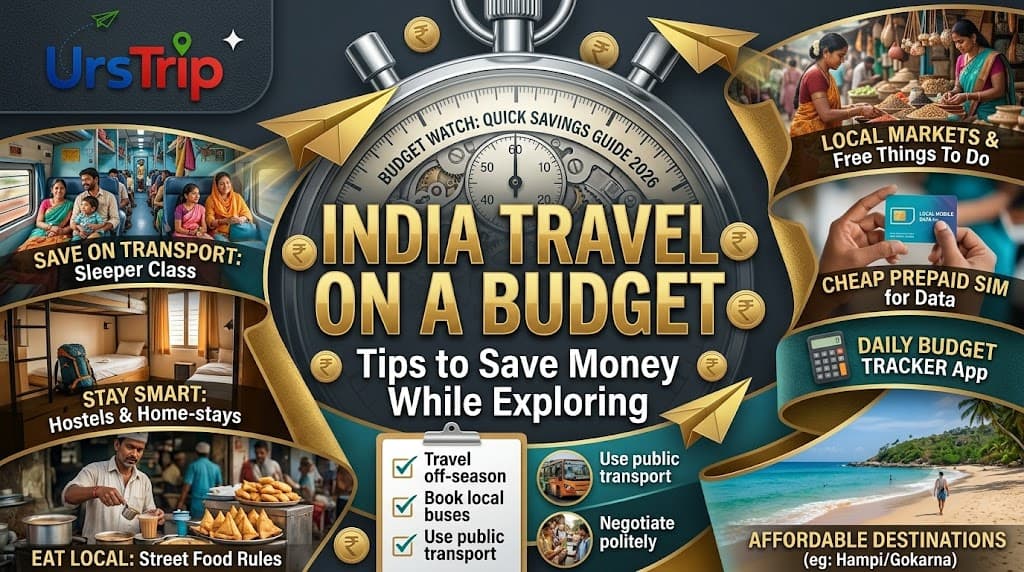
India’s all about choices. Cheap trains. Buses everywhere. Accommodation that swings from hostels to five-star hotels. No matter where you go—whether it’s
Rishikesh’s mountains, Goa’s beaches, or Jaipur’s history—keeping things loose helps you save and experience more.
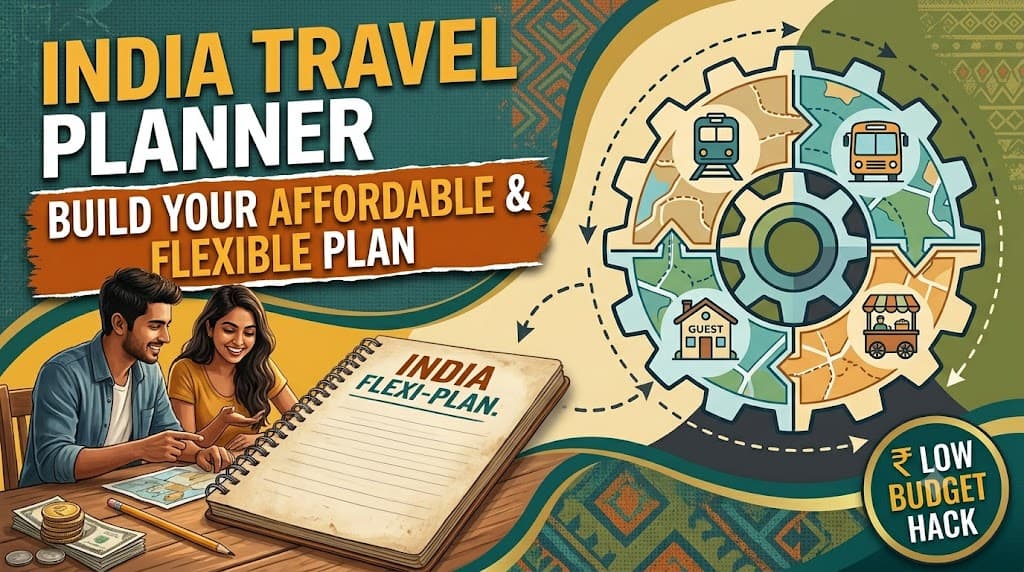
Flexible travel means you lock down the basics: destination, budget, days. But you don’t hyper-schedule every detail. You only book what’s essential, avoid anything
non-refundable, and leave space for changes.
Basically: Don’t overthink it, just keep it open.
Try going right before or after peak season—you get good weather and better deals.
You’ll want to book flights early, but grab those flexible fares if you can. For longer distances, trains are affordable and plentiful. If you don’t mind winging it, buses or
shared cabs work great.
Big cities like Delhi and Mumbai? Tons of options.
Key tip: Always hunt for free cancellation deals.
You don’t need to pre-pay for every activity. Sometimes the best moments are the ones you didn’t put in your calendar.
With a flexible plan, you can ditch expensive set meals and try street food. Eat where locals eat—it’s cheaper and more flavorful. Daily schedule changing? You can
adjust meals on the fly.
Here’s a rough daily guide:
Total: ₹1,000–₹3,000 per day, depending on what you do.
Day 1 – Delhi: Hit local sights, try street food.
Day 2 – Head to Jaipur: Jaipur forts, maybe check out markets.
Day 3 – Jaipur: Choice of shopping, sightseeing, or rest.
Day 4 – Move to Rishikesh: Evening Ganga Aarti.
Day 5 – Rishikesh: Yoga, café hopping, or riverside walk.
What’s a flexible travel plan?
One where you can change your schedule without stress or extra costs.
How do you save money in India?
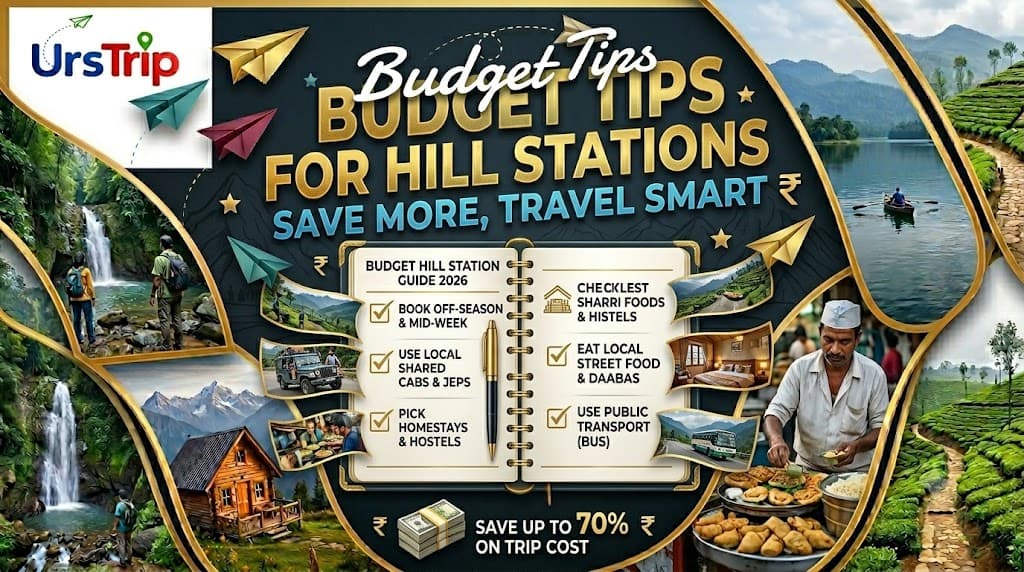
Travel off-season, take public transport, pick budget stays, eat local.
Should you book everything in advance?
Nope. Booking a bit ahead is enough. You keep your options open—and save cash.
What’s a reasonable flexible travel budget for India?
₹1,000–₹3,000 a day. Depends how fancy you wanna get.
Strict plans make travel stressful. Flexibility brings freedom, comfort, and those unexpected experiences you end up loving most. Plan smart, leave space for change, and let the journey surprise you.