Published: 20 May 2026, 01:37 pm
Honestly, sometimes the best stories come from trips where you keep it simple and spend less.
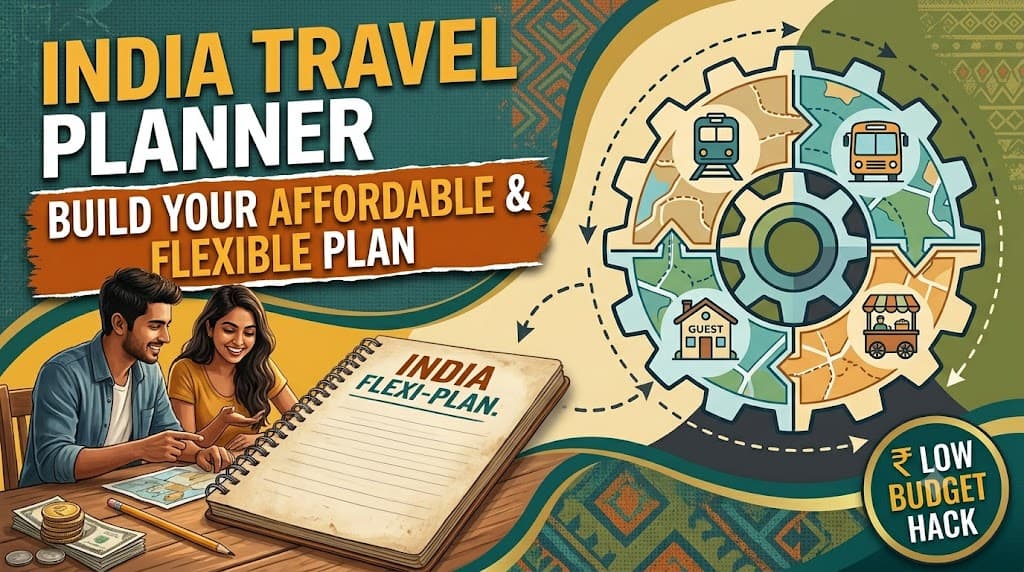
But if you don’t plan ahead, your budget can slip away fast—thanks to last-minute bookings or picking pricey hotels and buses. To help, here’s a clear guide for planning a comfortable, memorable trip across India without draining your wallet.
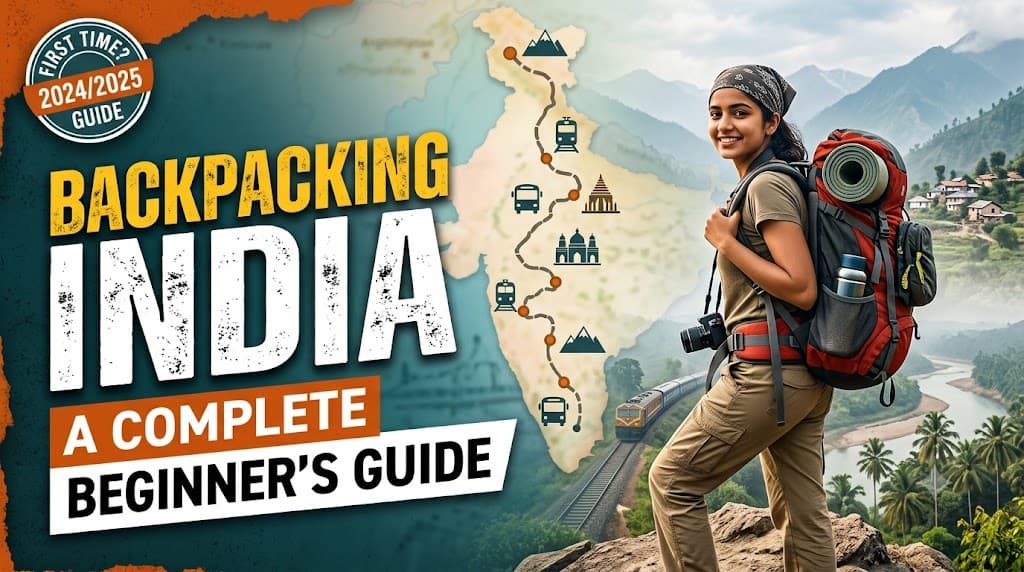
India’s huge, with something for everyone—whether you want mountains in Rishikesh, history in Jaipur, beaches in Goa, or spiritual vibes in Varanasi. You can easily
stitch these together for a great trip that’s still affordable.
Don’t waste money zig-zagging across the country. Pick a route that makes sense.
For example:
Delhi → Jaipur → Rishikesh → Varanasi
That way, you’re not backtracking, and your travel expenses stay low.
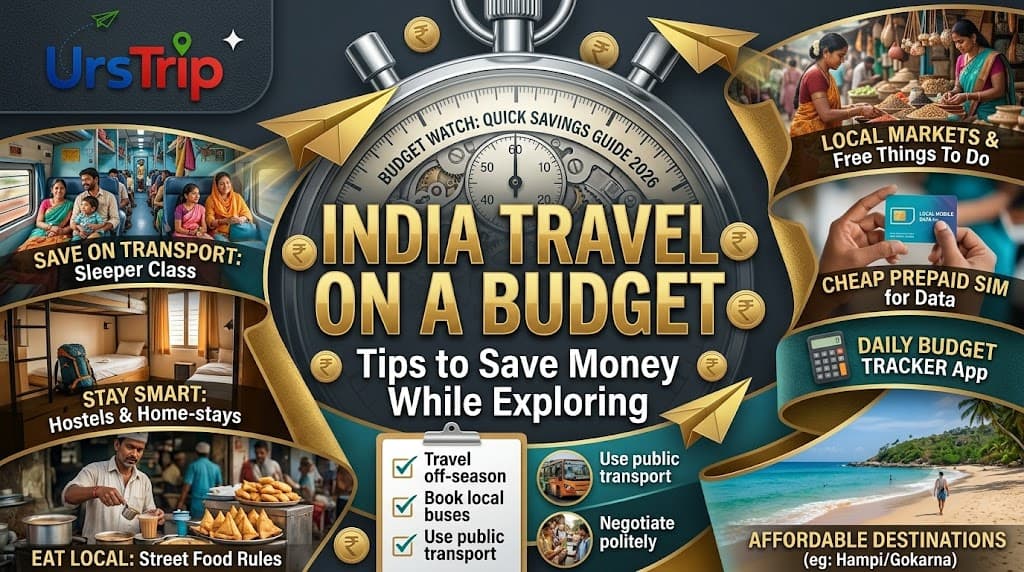
Travel in the off-season (July to September) for the cheapest hotels and flights.
February to March is nice, too—good weather and decent prices.
If you’re watching your cash, skip the peak season.
You’ve got solid budget options everywhere:
Booking a couple of days ahead usually lands a better deal.
There’s zero need to splurge for fun.
India’s got more than enough to keep you busy without breaking the bank.
Skip the tourist spots for eating and hit up the dhabas and street stalls.
Try local thalis—they’re cheap (about ₹100–₹300) and filling.
Total: ₹1,000–₹2,500 a day
Day 1 – Delhi:
Hunt for bargains in markets, visit the Red Fort, and stay at a hostel.
Day 2 – Jaipur:
Roam the forts and bazaars, taste local snacks.
Day 3 – Head to Rishikesh:
Attend the Ganga Aarti, sleep by the river.
Day 4 – Rishikesh:
Try out a yoga session, walk along the river, explore local cafes.
Day 5 – Varanasi:
Watch sunrise by the ghats and experience the evening Aarti.
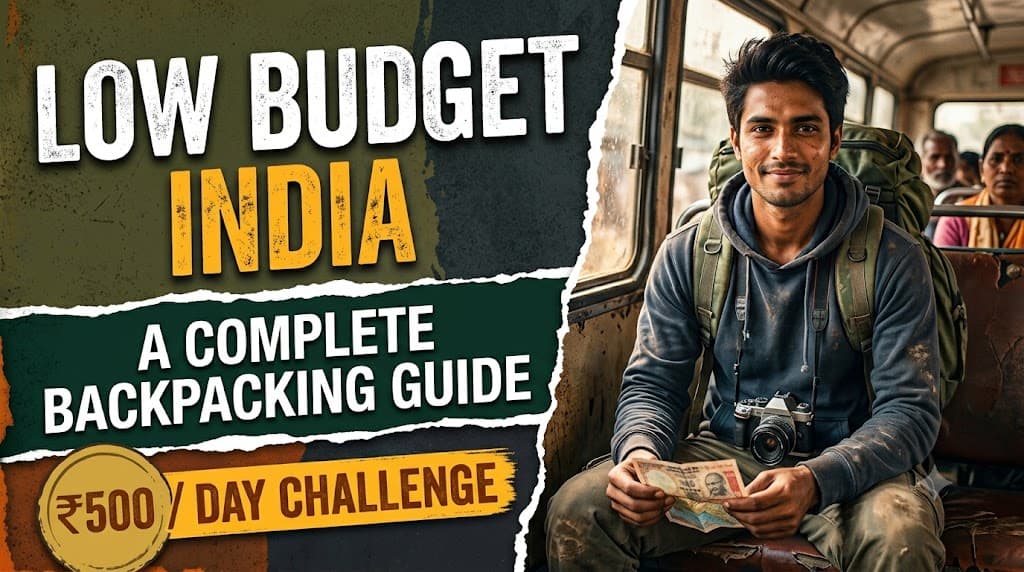
How much does a budget trip in India cost per day?
Usually between ₹1,000 and ₹2,500, depending on your choices.
What’s the cheapest way to travel around India?
Definitely trains and buses.
Can you really travel comfortably in India on a budget?
Absolutely, especially if you plan things out.
Which cities are the best for low-budget travel?
You can’t go wrong with Rishikesh, Jaipur, or Varanasi.
Sticking to a budget in India doesn’t feel restrictive when you make smart choices. When you map out your route, go for affordable stays, and dive into local experiences, you not only save money—you get a richer trip.
India always has rewards for travelers who are open-minded, curious, and willing to keep things simple.