
Published: 20 May 2026, 04:58 pm
Let’s be honest—mountain trekking looks peaceful in every Instagram shot, but hitting those trails is a real test of your stamina and planning skills.
Plenty of beginners step in thinking it will be a walk in the park, skipping over the risks like sudden storms, altitude sickness, or getting thrown off course.
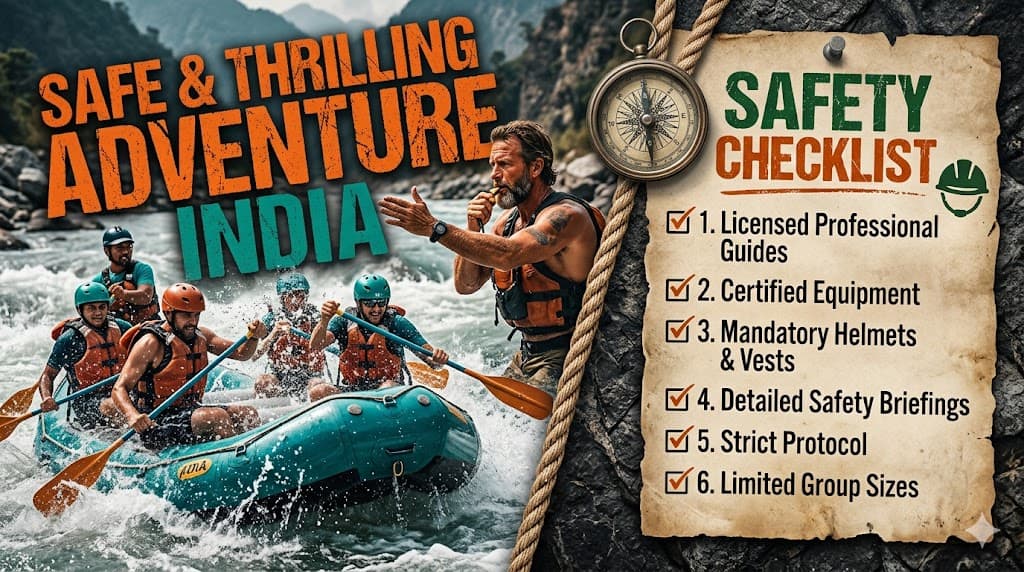
The upside? Most issues vanish if you just stick to some basic safety habits.
This guide lays out what you really need to do to keep your next trek safe, enjoyable, and stress-free.
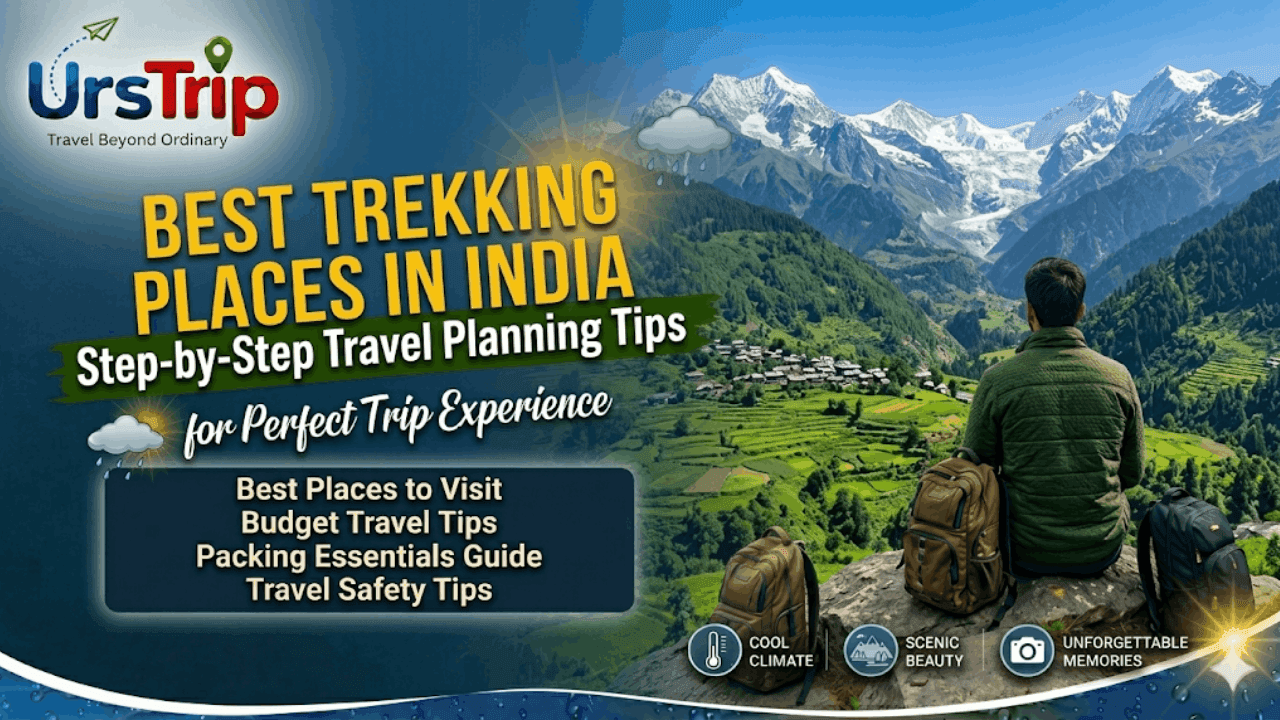
India’s packed with stunning trekking routes, whether you’re staring up at the snowy Himalayas or winding through lush, green hills around Manali, Leh, or Gangtok.
Each trail packs its own set of challenges, so being prepared matters more than you think.
Research your trek—difficulty, terrain, and weather conditions.
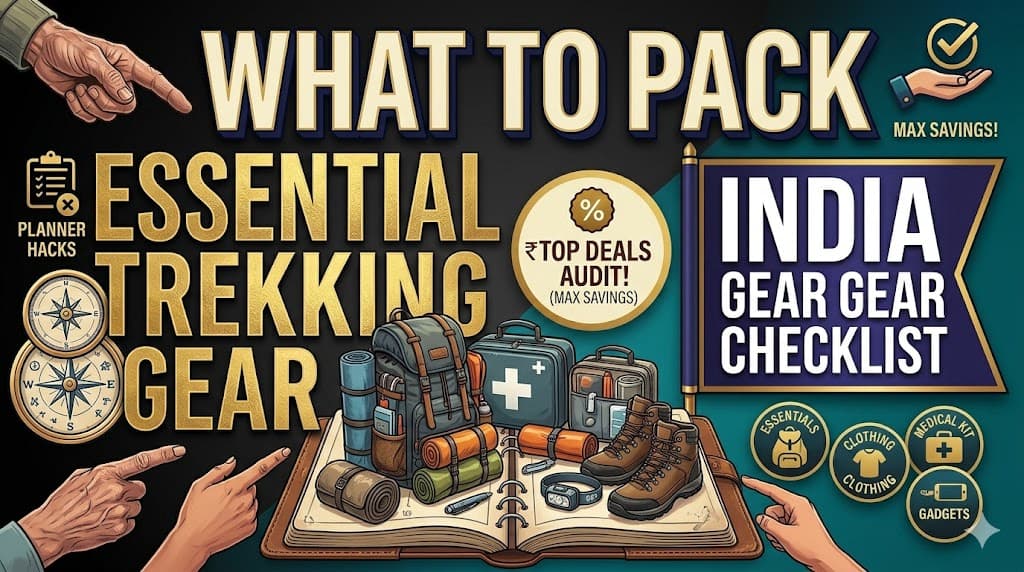
Carry only essentials:
Begin at sunrise and finish before sunset to avoid fog and darkness.
Stay hydrated and eat small snacks to maintain energy.
Symptoms: headache, nausea, breathlessness
Rest, slow down, or descend if needed
Stick to marked routes—shortcuts can lead to getting lost.
Save emergency numbers and inform someone about your trek plan.
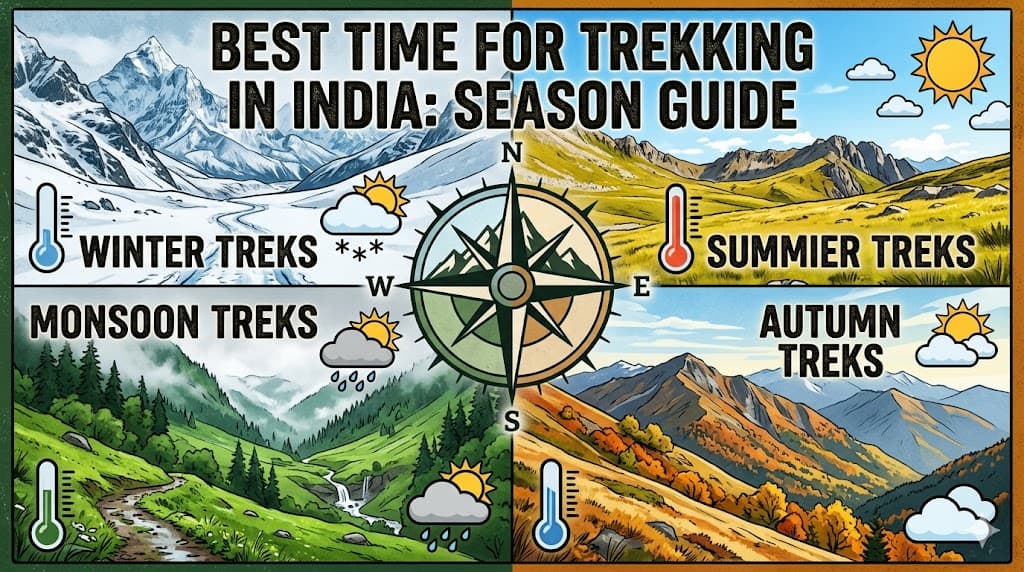
Weather can change quickly—carry rain gear and turn back if needed.
Safer than going solo, especially for beginners.
Include:
Day 1:
Reach base camp and acclimatize
Day 2:
Start early, maintain steady pace
Day 3:
Descend carefully
Is trekking safe for beginners?
Yes, with proper planning and easy trails.
Biggest risk?
Altitude sickness and sudden weather changes.
Should beginners trek solo?
No—go with a group or guide.
Emergency?
Stay calm, use first-aid, contact local help.
Mountain trekking pays off big—if you respect the wild and do your homework.
The safest trekkers aren’t the strongest—they’re the most prepared.
Plan ahead, listen to your limits, and don’t ignore warning signs. Stay alert, stay balanced, and your trek will be not just exciting—but unforgettable.