What Gear Do You Really Need for Trekking?
Introduction
Packing for a trek isn’t just about what fits in your bag—it’s the first step to a great adventure.
Carrying too little can leave you cold, hungry, or in trouble. But dragging along too much makes every step harder. The trick? Find that sweet spot with just the basics you really need.
Whether you’re heading up towards the Himalayas or wandering forest trails, smart packing keeps you moving with confidence.
Trekking in India: What to Expect
India has every kind of trek—towering Himalayan peaks, misty Western Ghats, desert trails, you name it.
What you pack depends on where you’re going and when.
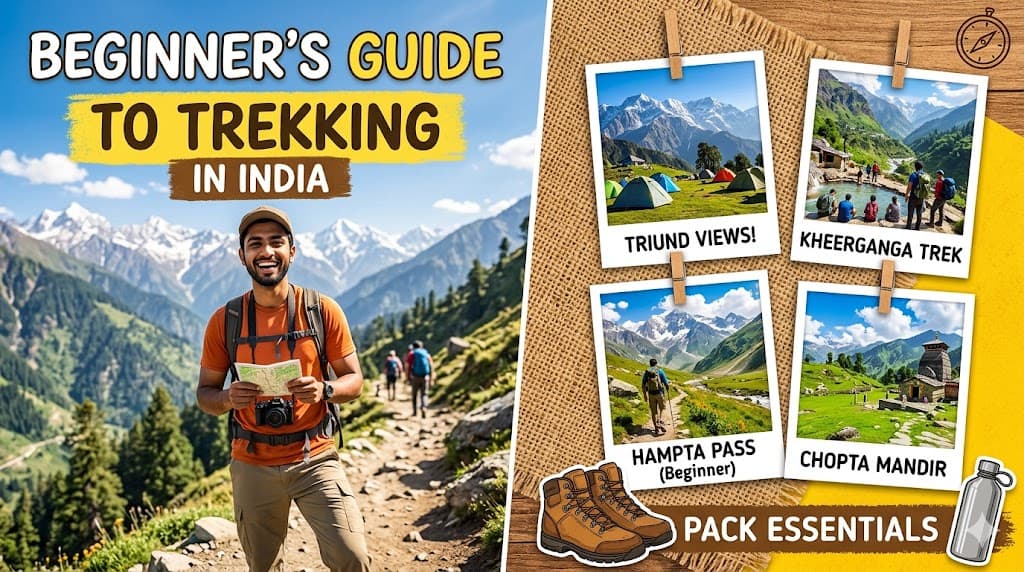
Some favorite trekking hotspots:
- Manali
- Rishikesh
- Coorg
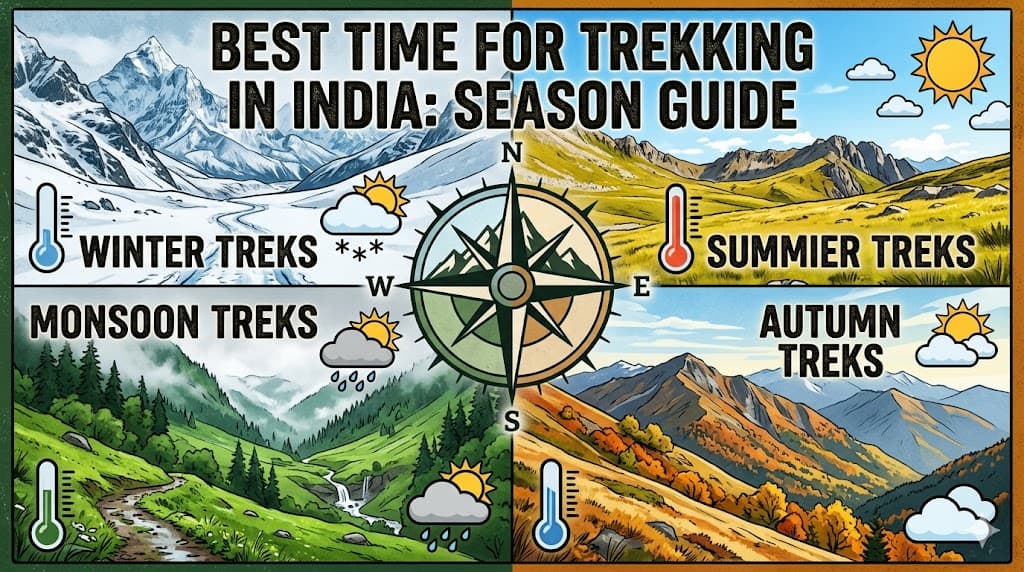
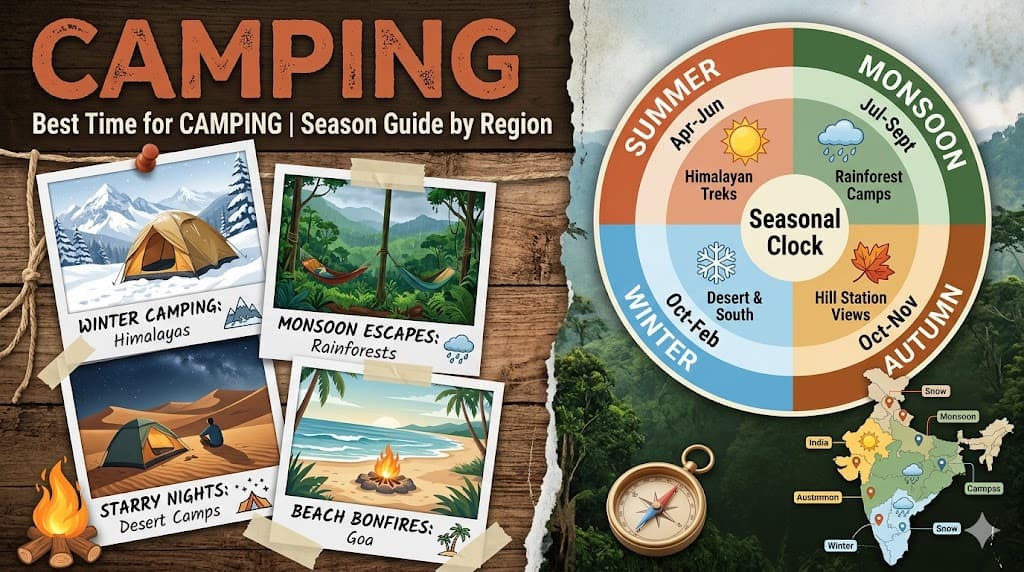
When to Go (and Why It Matters for Packing)
- Himalayas: March–June, September–November
- Western Ghats: October–March
- Desert treks: October–February
Weather shapes your packing list—always check conditions before you pack.
Getting There
- Himachal & Uttarakhand: Fly in, then travel by road
- South India: Trains and buses
- Remote areas: Jeep rides or short hikes
Where to Stay
- Budget: Hostels, camping, dorms
- Mid-range: Hotels near base camps
- Premium: Resorts or all-inclusive trek packages
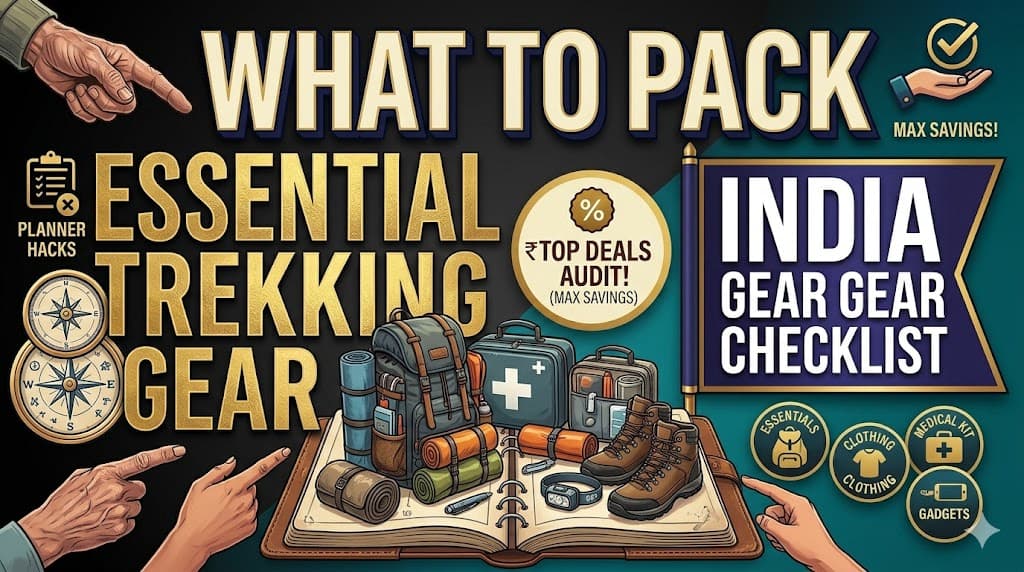
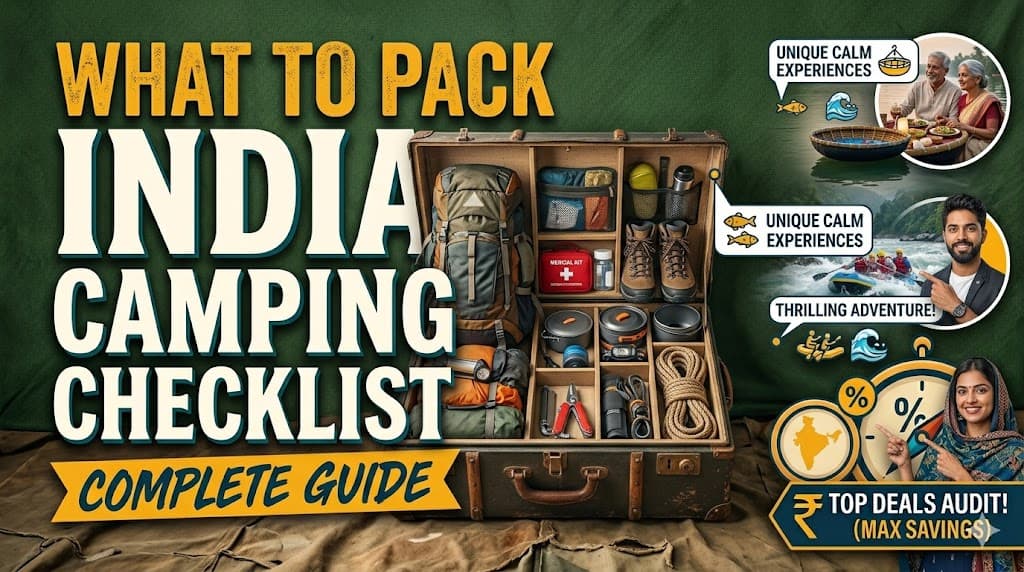
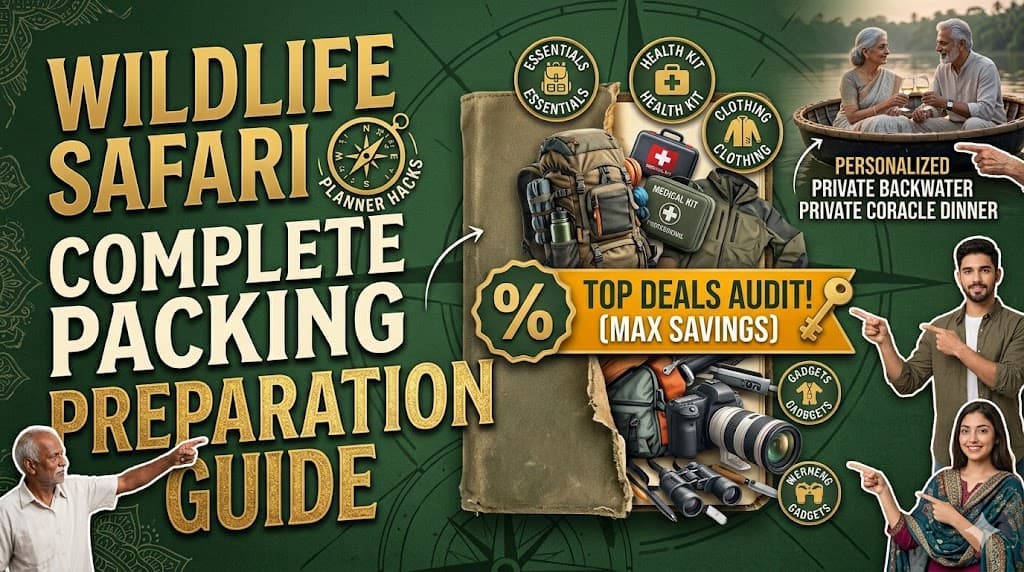
Trekking Gear Essentials
1. Backpack
A 40–60L backpack works well for short treks. Look for padded straps and back support.
2. Clothing: It’s All About Layers
- Base: Breathable, quick-dry t-shirts
- Middle: Fleece or light jacket
- Outer: Waterproof jacket
- Extras: Trek pants and extra socks
3. Footwear
Strong trekking shoes with good grip are essential. Break them in before your trek.
4. Hydration & Food
- Water bottles or hydration pack
- Snacks: Energy bars, dry fruits
5. Navigation & Light
- Headlamp or flashlight
- Map or GPS for remote areas
6. First Aid & Safety
Carry:
- Basic medicines
- Bandages
- Pain relief
7. Personal Items
- Sunscreen
- Sunglasses
- Toiletries
- Small towel
8. Rain & Weather Protection
- Raincoat or poncho
- Backpack rain cover
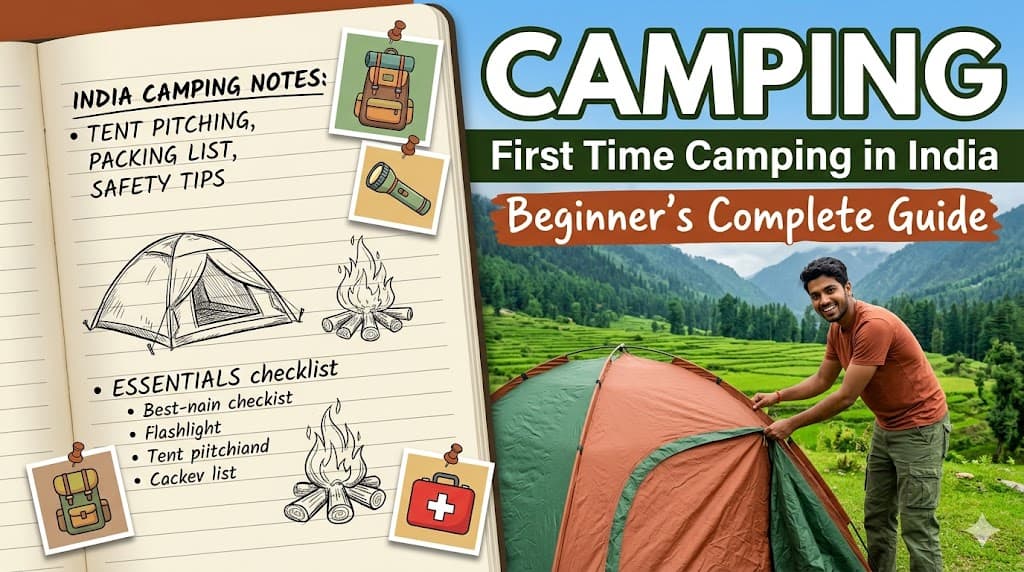
9. Camping Gear (if needed)
- Tent
- Sleeping bag
- Sleeping mat
Usually provided in guided treks
10. Tech & Accessories
- Power bank
- Phone
- Camera (optional)
Smart Packing Tips
- Keep it light
- Use packing cubes or organizers
- Keep essentials easily accessible
What Not to Bring
- Oversized toiletries
- Extra unused clothes
- Too many electronics
Money-Saving Hacks
- Rent gear instead of buying
- Use multipurpose items
- Avoid expensive gear for first trek
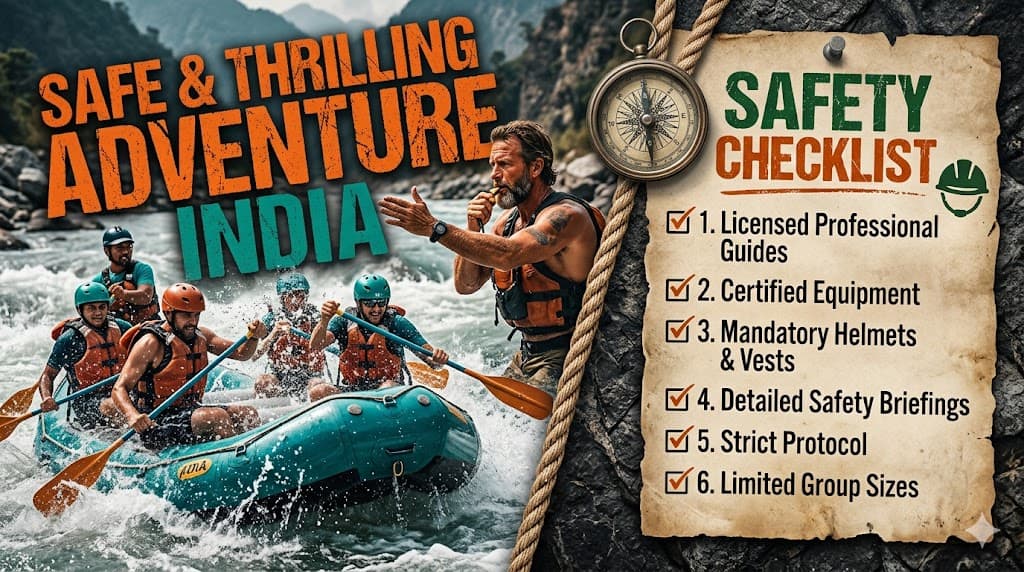
Safety Reminders
- Always carry a first-aid kit
- Keep emergency contacts
- Protect electronics from water
- Don’t overload your bag
Sample Packing Plan for a 3-Day Trek
- 2–3 t-shirts
- 1 jacket
- Trek pants
- Snacks and water
- First-aid kit
Stick to basics—extra weight slows you down
Food & Respect for Locals
- Eat light during treks
- Try local meals at base camps
- Respect local communities
Common Packing Blunders
- Overpacking
- Ignoring weather
- Carrying untested gear
- Forgetting essentials
Quick Checklist
- Backpack
- Trekking shoes
- Water bottle
- Snacks
- Jacket
- First-aid kit
- Flashlight
FAQs
Q: What’s the most important trekking gear?
A: A proper backpack and good trekking shoes.
Q: How heavy should my trekking bag be?
A: Around 8–10% of your body weight.
Q: Can you rent trekking gear in India?
A: Yes, rentals are available in most trekking hubs.
Q: Should beginners buy expensive gear?
A: No, basic quality gear is enough.
Final Thoughts
Packing right makes your trek safe, comfortable, and enjoyable.
Start simple, learn with experience, and carry only what you truly need. The gear you choose shapes your journey more than you realize.
Pack smart, hit the trail, and enjoy every step.