Published: 21 May 2026, 12:34 pm
A trip through India sounds amazing, but it can quickly feel like too much to handle. There are so many places to go, different cultures, and ways to travel, that it's easy to get lost or try to plan every little thing.
Lots of people try to pack in too much at once, which just ends up making the trip feel rushed and exhausting.
So, what's a better way to do it? Just plan things one step at a time, keep it simple, and think about having experiences that really matter.
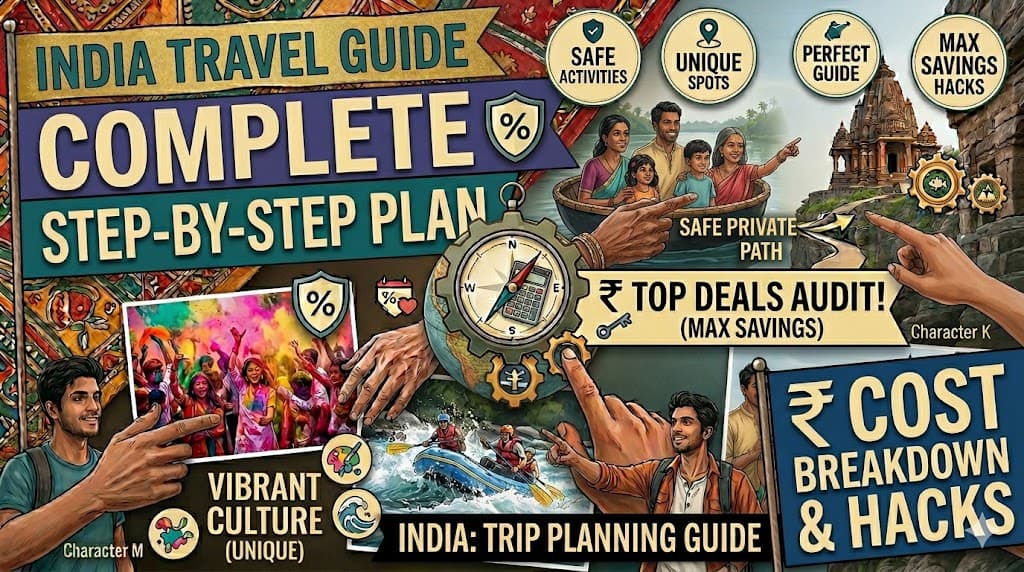
This guide is here to walk you through planning your entire India trip—from picking out where to go, to putting together your daily schedule, figuring out your money, and staying safe.
First off, before you do anything else, ask yourself a few things:
Are you looking to just chill out, have an adventure, or soak up the culture?
Is it just you traveling, or are you with family, or as a couple?
And how much money do you have to spend?
Answering these questions helps you pick the best places to visit and stops you from getting confused down the road.
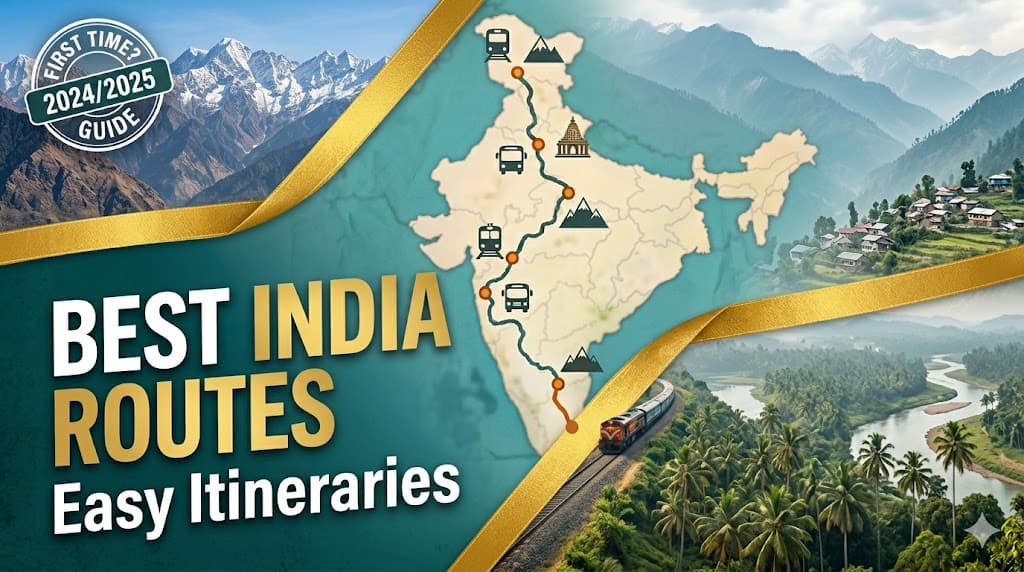
A good route for beginners:
Delhi
Agra
Jaipur
This particular path, which people often call the Golden Triangle, is just right for anyone visiting for the first time.
Season Good For
October to March Most places
April to June Mountain areas
July to September Cheaper travel
A quick tip: try to steer clear of really bad weather, so your trip can be more enjoyable.
How long should you go for?
Trip Type Number of Days
A quick trip5 to 7 days
A balanced trip7 to 10 days
A really detailed trip10 to 15 days
Here are your choices for getting around:
Flights are the quickest way if you're going far.
Trains are good if you're watching your budget and want to see the scenery.
Road trips give you lots of freedom.
For train tickets, you can use something called IRCTC Rail Connect.
If you're on a budget (say, 800 to 2000 rupees):
Hostels
Guesthouses
For something mid-range (2000 to 6000 rupees):
Hotels
And if you want luxury (7000 rupees and up):
Resorts
Here’s a tip: staying close to the city center can really save you time getting around.
Here’s an example of what a 7-day trip could look like:
Spend time exploring old historical places.
Check out the local markets.
See the Taj Mahal.
Visit Agra Fort.
Head to Amber Fort.
Visit the City Palace.
You could choose:
Goa, known for its beaches.
Or Rishikesh, if you're looking for nature and a peaceful vibe.
Make sure to include things like:
Visiting cultural spots.
Wandering through local markets.
Trying out different foods.
And don’t forget some time to just relax.
Here’s a rough idea for what you might spend each day:
For accommodation, figure about 800 to 3000 rupees.
Food might be 200 to 700 rupees.
Getting around could cost 100 to 500 rupees.
And activities might run you 100 to 500 rupees.
So, a daily budget could be anywhere from 1200 to 4000 rupees.
Make sure to try the different dishes from each region.
Eat at local spots that look clean.
And always be respectful of the local ways of doing things.
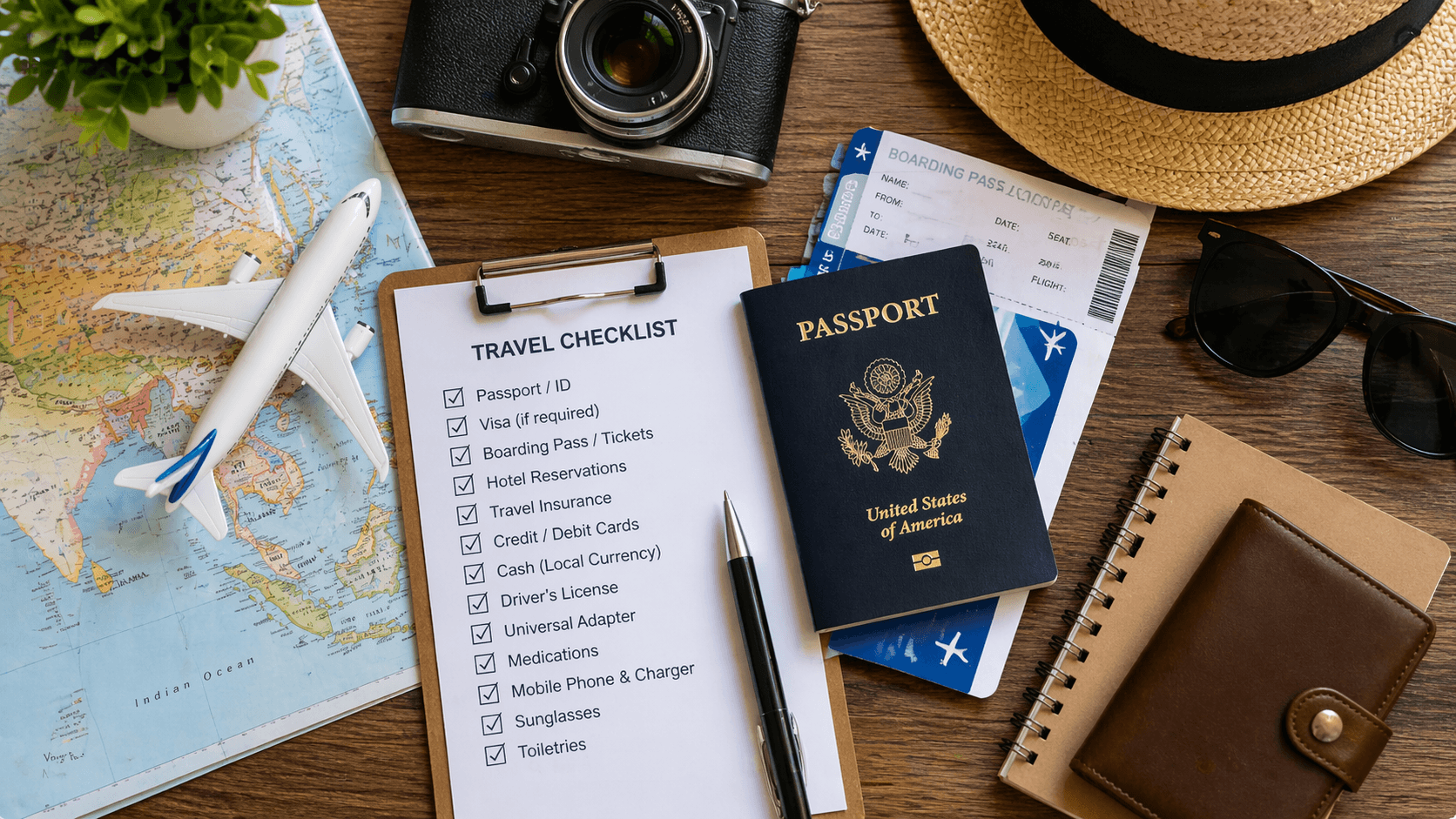
You’ll want to bring:
Comfy clothes.
Your ID.
A power bank for your devices.
Any basic medicines you might need.
And your usual toiletries.
Always have emergency numbers handy.
Try to avoid lonely spots when it’s dark.
Be aware of your surroundings, especially in busy areas.
And keep copies of any important papers with you.
Things hardly ever go exactly how you planned them on a trip.
So always make sure to give yourself:
Some extra time.
Chances to rest.
And room to just explore spontaneously.
Trying to cram too much into your schedule.
Forgetting to factor in how long it takes to travel between places.
Waiting until the last minute to book things.
Bringing way too much stuff.
Have you picked where you’re going?
Are your tickets booked?
Is your hotel confirmed?
Have you planned out your days?
Are your essential items packed?
Question 1: How do you go about planning a whole trip to India?
Question 2: How many days would you say are enough to visit India?
Question 3: Is traveling in India easy on your wallet?
Question 4: What’s the best route for someone new to traveling there?
Planning your entire trip to India doesn’t need to be a huge headache. When you just take it one step at a time, it turns into something you can actually handle, and
even enjoy.
Begin with an easy path, plan what’s realistic, and concentrate on having experiences that truly matter, rather than trying to take in every single thing. India really appreciates travelers who take their time and think about their journey—and once you get started, each trip feels simpler and leaves you with more memories.