
Published: 21 May 2026, 02:07 pm
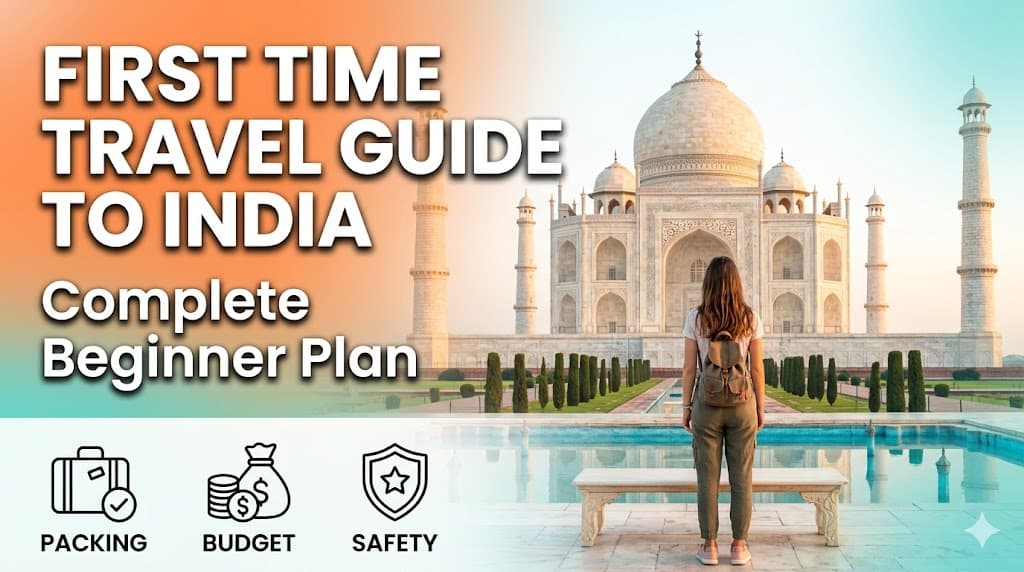
So, you’re about to plan your very first trip. It’s exciting, right? But it can also feel a bit overwhelming. There’s the big question of where to go, how much you’ll end up spending, what’s worth packing, and, of course, what to do if things go sideways. Most people aren’t confused because travel is all that hard—they’re just not sure where to start.
Honestly, once you get the basics down, planning trips is a lot easier. Here’s how to make sure your first travel experience is smooth, safe, and actually enjoyable.
Don’t make things complicated with your first trip. Go somewhere that’s easy to reach and friendly for tourists. Pick a place that isn’t too busy or way out in the middle
of nowhere.
A solid choice for beginners? Rishikesh. This spot blends nature and spirituality without feeling overwhelming. Plus, it’s simple to get the hang of.
When should you go? October to March is comfortable, weather-wise. April to June is great if you’re headed to the hills. Monsoon season (July to September) is budget-friendly, but you’ll want to check the forecast. Seriously, always glance at the weather before locking in your plans.
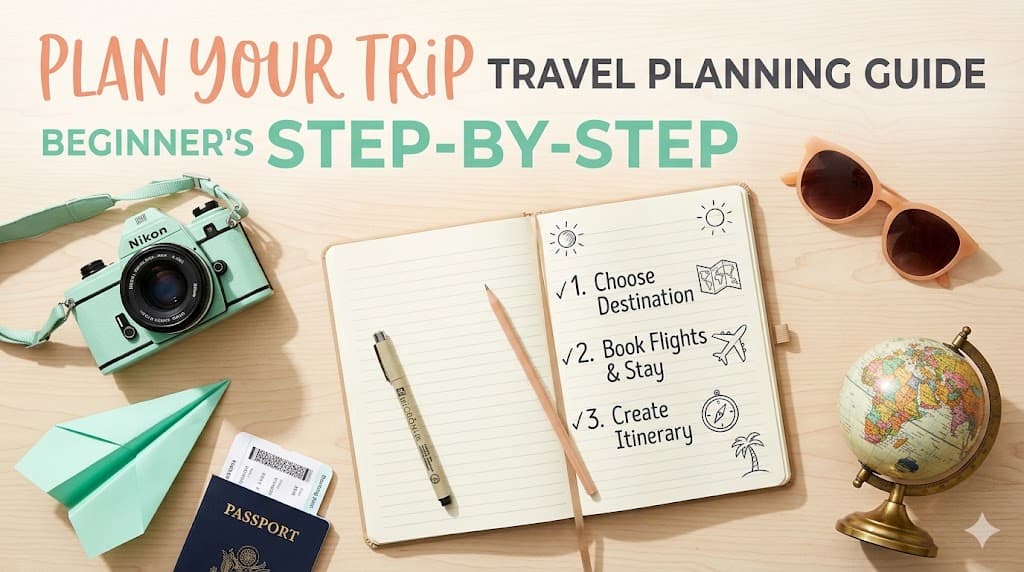
Figure out how much money you’re willing to spend on transport, accommodation, food, and activities. For your first go, try a 2–3 day trip. It keeps costs and stress down.
Book your train, bus, or flight in advance. Trains are the cheapest, buses are flexible, and flights are quick but pricier. Apps like IRCTC help with train bookings.
You can pick from hostels, budget hotels, or homestays. Always go for places with decent reviews and stay in safe neighborhoods.
Price Guide (per night):
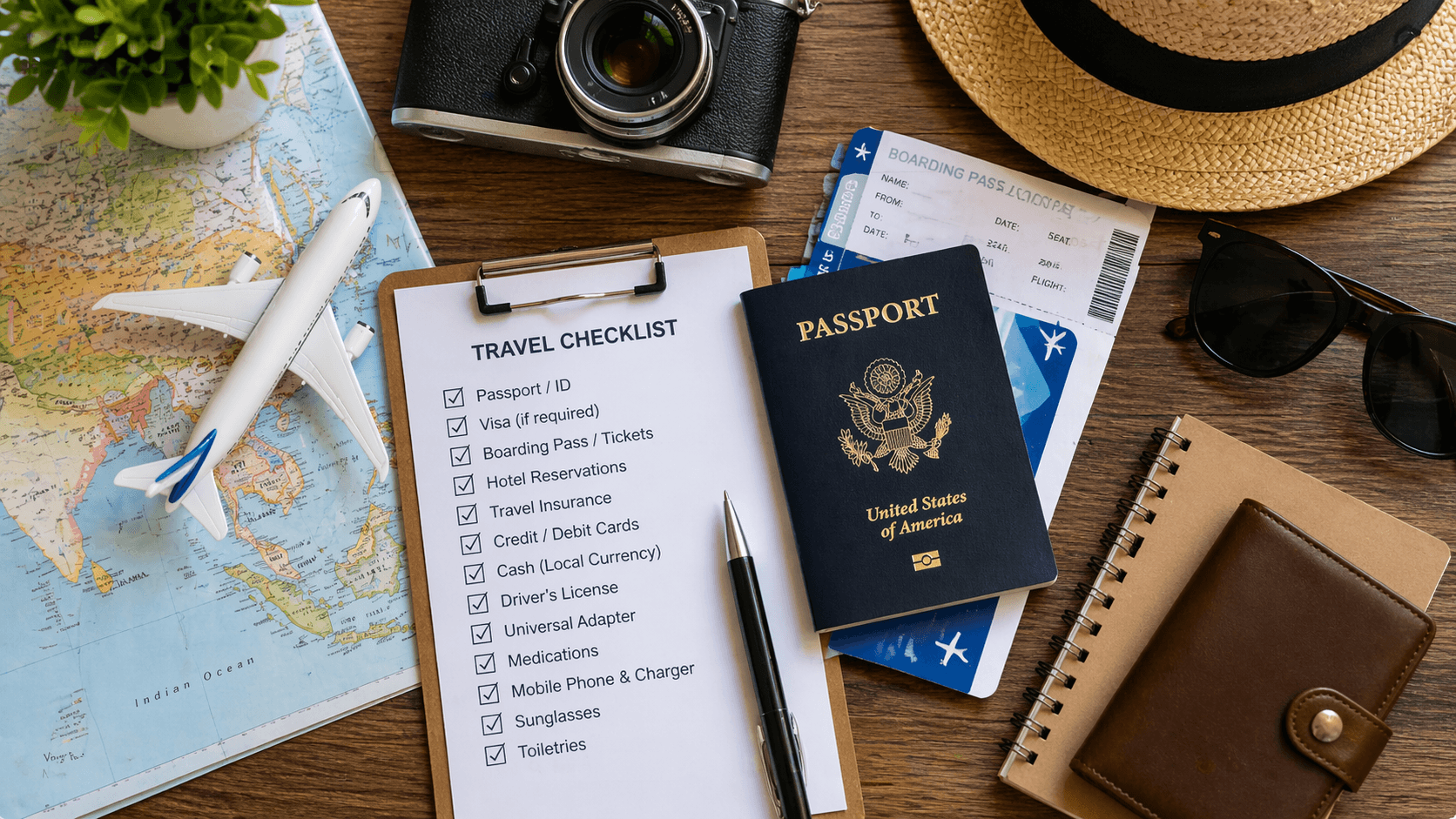
Don’t bring your entire wardrobe. Grab comfortable clothes, ID, charger and power bank, basic meds, and toiletries. Carry only what you really need.
Eat where locals eat but keep it clean, try new dishes, and respect local traditions.
So, expect about ₹1000–₹3000 each day.
Arrive, check in, and get to know the area.
See Laxman Jhula and watch the Ganga Aarti in the evening.
Chill out and head back home.
What’s the most important thing to know before my first trip?
Set a budget, start with a simple destination, and don’t overschedule yourself.
Around how much will I spend per day in India?
About ₹1000–₹3000 covers most basic trips.
Is first-time travel in India safe?
Yes—just use common sense and basic precautions.
Where should I go for my first trip in India?
Rishikesh, Jaipur, and Goa are all beginner-friendly.
Your first trip doesn’t need to be some wild adventure or complicated masterpiece. Keep it simple. Make a solid plan, start small, and you’ll get the hang of it. Every trip builds a little more confidence and gets a lot more fun. The secret? Just jump in—the world’s not as scary or confusing as it seems. Honestly, traveling is one of the most rewarding things you can do. So go for it.