
Published: 5 May 2026, 01:07 pm
Thinking about your first international trip from India feels exciting—until those big questions hit you. Where to go? What about visas? Will your passport work? How much money should you set aside? Suddenly, the whole thing can feel overwhelming.
A lot of people end up spending more than they wanted or missing something important just because they didn’t have a clear plan at the start.
This guide isn’t just a checklist—it’s a roadmap to take you from “I want to travel” to a ticket in hand, suitcase packed, and real confidence about hitting the road.
Whether you’re heading out solo, planning a family adventure, or traveling as a couple, here’s how to make every decision count.
Forget trending hashtags for now. Start with practical questions:
First-timers often find Southeast Asia and the Middle East easier to manage since flights are shorter and visas are simpler.
Don’t wait on this step. Your passport usually needs to be valid for six months after you get back. Apply for a new one or renew early, and make sure you have at
least two blank pages left.
Scan and save digital copies, too. Processing times can vary a lot across India, so do this first to avoid last-minute panic.
Every country has its own rules. Some let you in without a visa, some will give you one when you land, others want paperwork in advance.
Always check official government or embassy sites—don’t trust random social media tips.
Note fees, processing times, and all documents you’ll need.
Being clear upfront saves a lot of headache—and money.
Don’t just guess. List out everything: flights, visas, hotel stays, food, transport, sightseeing, shopping, and a bit for emergencies.
Always add about 10-15% extra for currency swings or unplanned hiccups. Knowing your spending limits early helps you choose smartly—where you’ll splurge, and
where you’ll save.
Every place has a sweet spot for weather and cost:
Indian school holidays and festivals often match global peak travel times, so shifting dates slightly before or after can save money.
The best fares usually pop up 6–10 weeks before you leave. Use apps that search flexible dates and show nearby airports.
Try to skip weekend take-offs—they’re pricier. Direct flights save both time and energy, but if you’re okay with a layover, you could cut costs, just watch your
connections carefully.
There’s something for every budget:
Staying a bit outside the city center can save you cash, just make sure you can still get around easily with public transport.
You don’t need every minute mapped out. Group activities near each other to minimize back-and-forth.
For a 3–5 day trip, try:
Leave some freedom for spontaneous fun (or a nap).
Don’t skip this. A hospital visit abroad can drain your savings fast. Insurance covers emergencies, canceled plans, lost bags, and more.
A lot of countries now require it for entry, so check your visa rules.
Take a blend of cash and cards. Let your bank know you’re leaving the country. Prepaid forex or international debit cards are safer than carrying lots of cash.
If you need to exchange money, do it in the city—not at the airport, where rates are worst.
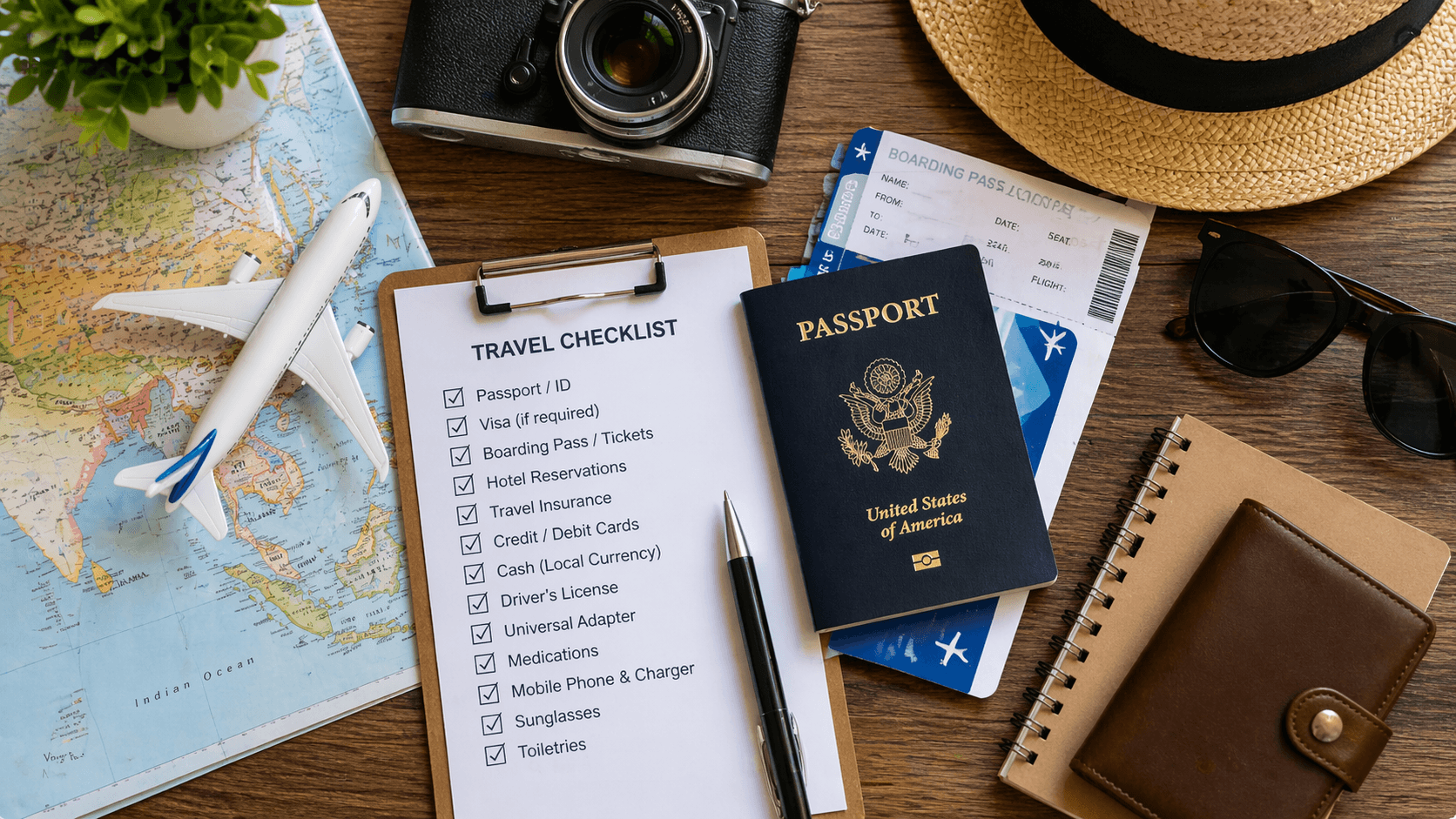
Don’t overload your suitcase. Essentials:
Remember, you can always buy extra toiletries or basic stuff at your destination. No need to bring the whole house.
Read up on local customs, even just the basics—greetings, dress codes, tipping. Don’t flash valuables, know the emergency numbers, and if your destination
requires it, register with the Indian embassy once you arrive.
A little respect goes a long way in keeping your trip safe and pleasant.
How soon should I begin planning?
Give yourself at least 2–3 months to get documents and decent travel deals.
Is going abroad expensive for Indians?
It depends on where you go. Places close to India, like parts of Southeast Asia, can actually fit a tight budget if you plan smartly.
Do I really need travel insurance?
Absolutely. For some places, you can’t even get a visa without it.
How much cash should I carry?
Just enough for arrival and a few basics—most places happily accept cards now. The exact number depends on your trip length and local costs.
Is it safe for first-time international travelers?
Yes. With a proper plan, familiar documents, and some awareness of local laws, new travelers can feel just as secure as anyone else.
International travel from India isn’t just about buying a ticket and packing a bag. Break it down, focus on what matters most at each step, and the trip becomes far less intimidating.
Every bit of planning—choosing a smart destination, keeping your paperwork tight, making a thoughtful budget, respecting local customs—sets you up for a smoother, richer experience. With the right start, your first (or next) adventure abroad will be just the beginning of a lifetime of great journeys.