Published: 7 May 2026, 05:16 pm
I’d stay stuck in routine and let the months blur by in a safe, predictable way. Everything was fine, but, honestly, it felt flat. Something about my point of view was missing.
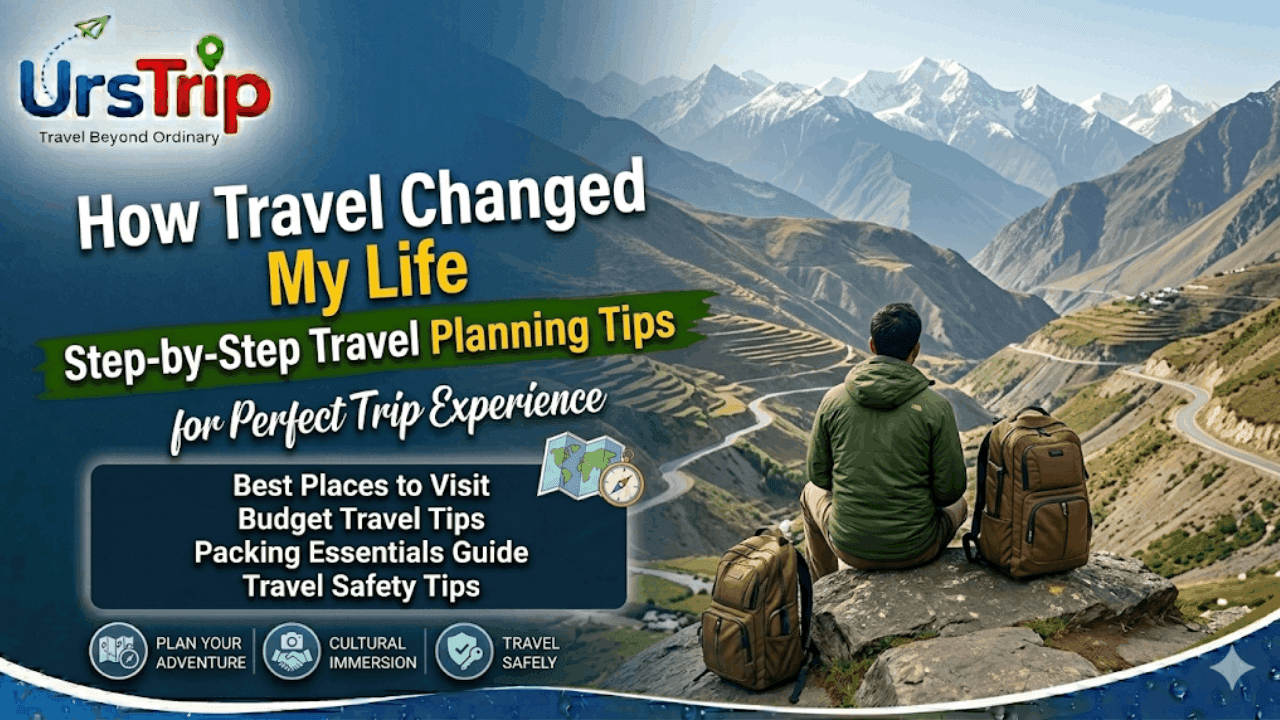
Travel didn’t flip a light switch or make me “find myself” with one journey. It changed me slowly, moment by moment, city by city. Getting lost, rushing for trains, sharing food with strangers—these small things tugged at the way I thought about everything. What started as an escape from my day-to-day ended up switching my whole outlook.
This isn’t a story about bucket lists or expensive adventures. It’s about the way travel changed how I see, decide, connect, and live.
Staying put too long can quietly narrow your thinking. You start to believe that your way is the normal way. Travel blows that up fast. I saw people treasuring free time more than money, communities looking out for one another above all else, families content with far less than I ever expected possible.
These weren’t lessons I read about—they were everyday things I watched and felt. Each new place challenged what I thought I knew.
Travel, especially in the beginning, keeps you on your toes. Trains are late, maps don’t make sense, and you never have all the answers. That’s stressful at first. But soon, I started to relax. I realized I could figure things out as I went along.
I learned to make choices without having every detail spelled out, to pivot when plans went sideways, and to stay calm instead of panicking. Little by little, this attitude slipped into my regular life. Decision-making at work, handling chaos in my personal life—it all felt easier.
Travel is a real-time lesson in adaptability. You learn fast because you have to.
Some of the most honest, eye-opening talks I’ve ever had were with people I met on the road—people whose names I never learned, people I never saw again.
Fellow travelers, local shopkeepers, seatmates on long bus rides—they each showed me something new about people.
I started listening in a different way. When we didn’t share a language, I paid attention to gestures, rhythm, silence. I dropped fast judgments and started really hearing what others were saying. I caught myself letting go of assumptions and getting more curious about differences.
Traveling alone forced me to rely on myself in a way I’d never tried before. If I didn’t find dinner, I went hungry. If I got lost, it was on me to figure it out. Scary at first—later, actually freeing.
I found out I liked my own company. I didn’t need constant conversation or validation. I could move through a strange city in my own way and feel completely fine about it. That sense of confidence? It sticks with you.
When you’re always moving, you start thinking less about stuff and more about what really matters. Memories and moments win out over fancy hotels or shopping. Budgeting for travel made me realize which things actually add to an experience and which just clutter it up.
Experiences trumped things. Flexibility beat luxury. I craved time—not convenience. Cheap meals in noisy markets felt richer than expensive restaurants. Stretching a dollar taught me to find value in moments, not material upgrades.
If you want to understand a place, eat there. Street food, small cafes, meals prepared in local kitchens—these offered more insight than any travel guide. Every dish has a story, flavored by history, geography, and family memory.
Trying something new at a table with locals did more than fill me up. It made me feel part of the place, even for an evening. The food was always more than food—it was a bridge.
The biggest surprise? Coming back. After each trip, home looked and felt different. Details that once bored me started to stand out. Comforts I used to ignore felt special. Travel didn’t just create restlessness—it made me more aware, more grateful, for everything I already had.
“Only fancy trips change you.” Not true. My best lessons came in crowded hostels and shared train compartments, not luxury resorts.
“Travel is just running away.” For me, travel was a mirror. It forced me to face my patterns, my strengths, my limits.
“You have to travel all the time for it to work.” Nope. Even one thoughtful trip can shift the way you see and live.
How does travel change your life?
Travel pulls you out of routine, teaches you to adapt, broadens your thinking, and helps you see people more fully.
Can travel help with personal growth?
Definitely. With every new place comes uncertainty, fresh ideas, and chances to rely on yourself—all of which help you grow.
Is solo travel more life-changing than group trips?
Traveling solo puts self-discovery in the fast lane, but group trips open up a different kind of learning. Both change you.
Do short trips make a difference?
They do. Even a weekend away can reset your mind if you actually pay attention.
Is travel really worth what it costs?
For me, yes—the confidence, clarity, and fresh perspective are worth every cent.
I didn’t expect travel to hand me all the answers or fix everything in one go. It didn’t. But what it did, gently and steadily, was teach me to see more, care more, and trust myself more—here and everywhere else.
Travel’s biggest lessons weren’t about escaping my life. They were about showing up for it—wherever I happened to be. It’s less about collecting places, more about collecting ways to think, ways to feel, ways to live. And for me, that made all the difference.