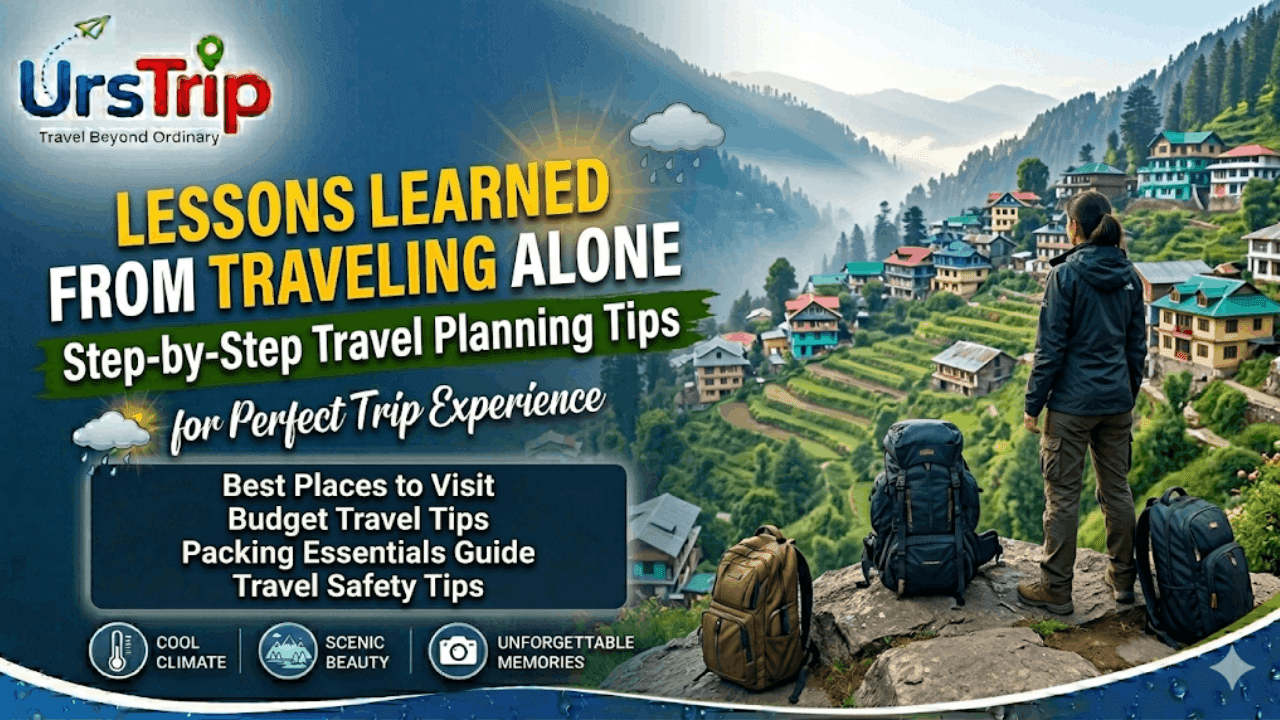
Published: 7 May 2026, 05:19 pm
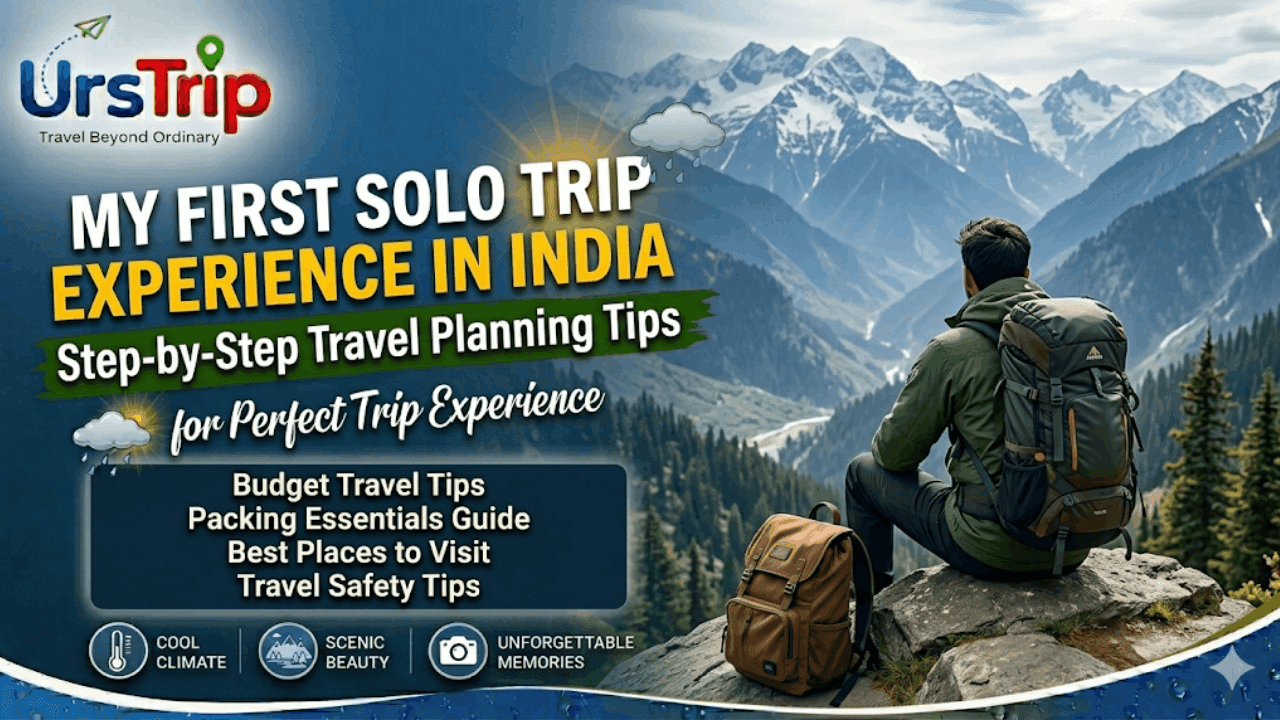
People tend to imagine solo travel as either an act of total freedom or something pretty intimidating. The hardest part isn’t booking a ticket or picking a spot on the map—it’s knowing that every decision, every misstep, every quiet moment lands on you.
But honestly, solo travel has a way of teaching you lessons you won’t get any other way. When there’s no one else to fall back on, you start noticing everything—how the city wakes up, the small rituals in a café, your own reactions. You adapt quicker. You trust your gut more. Let’s dig into some of the most honest and practical lessons you pick up along the way—things that come from actually being out there, figuring it out, not just reading about it.
When you’re on your own, there’s no group vote or safety net. Whether it’s figuring out how to get from the airport, picking where to eat, or deciding if you want to turn down a busy street—every single choice is on you. And that’s where confidence comes from.
Soon, changing plans or rolling with delays doesn’t throw you. You just get used to making the call. Little choices pile up, and before you know it, you actually like having control.
Without the distraction of familiar faces, you start paying attention. You notice local routines, overhear a new language, stop to watch how things are done. Solo travel makes you observe.
The details pop out—the stray cat sleeping in the market, the rhythm of city mornings, your own shifting thoughts. You get better at navigating, and honestly, you start seeing more wherever you are, even after you get back home.
It can feel strange at first—eating at a table for one, sitting in a park by yourself, spending a whole evening with nobody to talk to. But that awkwardness fades.
You stop reaching for your phone or searching for someone to text. Solitude stops being a punishment. You realize you don’t need anyone else’s distraction to feel content. Independence turns into a kind of quiet strength.
Traveling alone makes you notice your surroundings. You look up neighborhoods before you wander into them. You trust that little nudge when something feels off.
You share your plans and keep your route flexible. It’s not about being afraid—it’s about being alert. And those safety instincts? They stick with you.
It sounds backwards, but solo travel is surprisingly social. You chat with locals at coffee shops, ask for directions, join in a group tour and actually talk to the person next to you.
Without a friend to lean on, you meet people you’d never notice otherwise. You get better at introducing yourself, picking up on cultural cues, and making small moments count. Some of the best travel stories come from chance conversations.
No more compromises. Do you want to get up at sunrise or sleep in? Skip the museum or get lost for hours? Go off the beaten path or follow the crowds?
With nobody else to consider, your actual travel style comes out. You learn what works for you, and that makes planning in the future a whole lot easier.
Buses get missed, the weather ruins a hike, restaurants are closed. There’s no one to blame or rescue you, so you adapt.
Plans are flexible now, not fixed in stone. You pick up patience, get inventive, and usually end up with the best stories from the things you couldn’t have planned.
When you only have one wallet, you actually track what comes out of it. You skip things you don’t need. Maybe you splurge on a great meal and save somewhere else.
This leads to smarter choices and probably more meaningful moments. The numbers stick in your head, and you get better at managing your budget—even after you head back home.
Those are the shifts that happen quietly during a short trip—and they stick.
Is it safe to travel alone?
Yes, as long as you plan ahead, pay attention, and trust your instincts.
What do people usually get out of solo travel?
Most people walk away feeling more confident, independent, and self-aware.
Do solo travelers get lonely?
Sometimes, especially at first. But it usually fades, replaced by a stronger sense of connection—to yourself and to the places you visit.
Is traveling alone a good idea for a first-time traveler?
Absolutely, as long as you start with easy, well-connected destinations and keep your plans manageable.
Does solo travel change how you see yourself?
Definitely. Relying on yourself in new settings helps you see what you’re really capable of.
Traveling alone isn’t about being apart—it’s about finding clarity. There’s no outside noise—just you, your choices, and the world. These lessons aren’t flashy or dramatic, but they last.
For a lot of people, solo trips mark turning points. You remember exactly where you were when you realized you could trust yourself. You remember a meal, a conversation, a simple decision you made without hesitation. Those moments become anchors. And even after you come home, the things you learned about yourself keep showing up—in ways you might not expect.