Published: 7 May 2026, 05:23 pm
It kicks off with a stuffed bag, a rough map sketched in your head, and just this feeling that things will fall into place. At first, you want the basics—see cool places, meet locals, keep your wallet alive. Then the trip takes over, and it becomes something so much bigger and messier than you expected.
India’s fast at breaking down your ideas about how things “should” work. Trains skip their schedules. A simple conversation zigs and zags until you wonder if the two of you were ever even talking about the same thing. Every day, you end up doing—or feeling—something new and a little uncomfortable.
After a while, it stops being about covering the guidebook must-sees; it’s more about understanding people, shifting priorities, and figuring yourself out along the way. Here’s what backpacking across India really teaches you—no filter, no theory, just straight from the road.
If you think you can “see India,” think again. Every region feels like its own country, patched together by rail lines and shared stories. Travel north, and you’ll get one vibe—loud, colorful, ancient. Head south, and suddenly everything changes: the food, the faces, the pace, even the language on the street signs.
Moving around here, you learn to ditch any rigid plans. What works in Rajasthan won’t fly in Kerala. You pivot. You adjust. You pick up bits of languages you never planned to learn. Backpacking forces you to look beyond those first impressions and see India as this wild mix of cultures—never just a single narrative.
Rushing across India? You’ll miss more than you see. I figured out quickly that timing is everything. Go too fast, and the trip becomes a tired blur.
The best months for wandering—October through March—feel fresh and lively, but summer brings a whole new strategy: aim for the hills or coast if you want to survive the heat. When the monsoon hits, schedules go out the window. Build in extra days and take transport as it comes.
Honestly, the days I slowed down, pushed aside my itinerary, and let a place seep in—I remember those way more than the days I bounced from city to city.
India’s got trains, buses, autos, you name it—use them all. Trains aren’t just means to get from A to B. They teach patience and how to share space with strangers.
State buses? Forget privacy—here’s where you see daily life up close. Shared tuk-tuks dump you next to folks with stories you wouldn’t hear any other way. Half the time, the journey is the bit you remember most.
The scenery out a train window, long chats with seatmates, and people-watching at some small-town station—they turn into the real stories you haul home.
Stick to budget stays and you peel back that polished tourist layer. Hostels are full of fellow ramblers trading stories and tips. Local guesthouses? You’ll get the family perspective. Homestays—those are gold for learning about daily routines and food.
Luxury hotels are fine for comfort, but I hardly remember those nights. It’s the modest places that tie you closer to the people and real local life.
Landmarks are cool, but they aren’t the heart of travel. Some of my best memories? Eating with strangers in a crowded canteen. Bargaining (badly) for fruit in a hectic market. Learning temple etiquette just by watching everyone else.
These little moments—none of them were on my itinerary. But they’re what shaped my trip.
Food isn’t just food in India. Every state, sometimes even every small town, throws something new your way. Spices change, not just in how hot the food is, but in what’s used and how it’s used.
Street food is a daily ritual—it’ll show you what people value, how they work, and even how they socialize. If you stick to local food, you spend less, taste more, and understand the place better. You start seeing food not just as a necessity, but as a kind of language.
Backpacking in India is cheap—if you know what you’re doing. I learned to take overnight trains to save both on travel and a hostel bed. Eating at local joints slashes costs and ups the flavor.
Staying longer in one place usually means you get better deals and a deeper feel for the area. Budgeting isn’t about pinching every rupee. It’s about knowing where to spend and where to save.
India’s got its chaos, but it isn’t somewhere to be afraid. Common sense takes you further than paranoia ever will. Trust what your gut tells you but don’t assume every place or person is a threat.
Pay attention to how locals act and dress, and ask the people you meet for tips—forget relying only on Google. The more situations you handle, the more confidence you build for wherever comes next.
Taking it slow means you actually understand where you are, and you don’t leave this country needing another holiday to recover.
Letting Go
You learn quick: plans fall through, trains run late, buses don’t show up. Fighting it just ruins your mood. Let go.
Listening for Real
It’s easy to judge, but India rewards curiosity. Every conversation gets richer when you stop comparing and start listening.
Counting Success Differently
The point stops being, “How many places did I cover?”—now it’s, “How much did I actually learn or notice?”
Is India safe for solo backpackers?
Yeah, as long as you stay sharp, respect the culture, and listen to local advice.
What’s a typical daily budget?
Most budget travelers get by on ₹1,200 to ₹2,000 a day. How much you spend depends on your choices and where you travel.
Good for first-timers?
Absolutely, although you’ll need to stay open and be a little patient. It’s a lot, but it’s worth every second.
How long do you need?
Honestly, at least 3–4 weeks if you want to travel slow and get past surface-level impressions.
Do you need every detail planned?
Nah. Have a rough route, but stay loose. Too much planning blocks the unexpected magic.
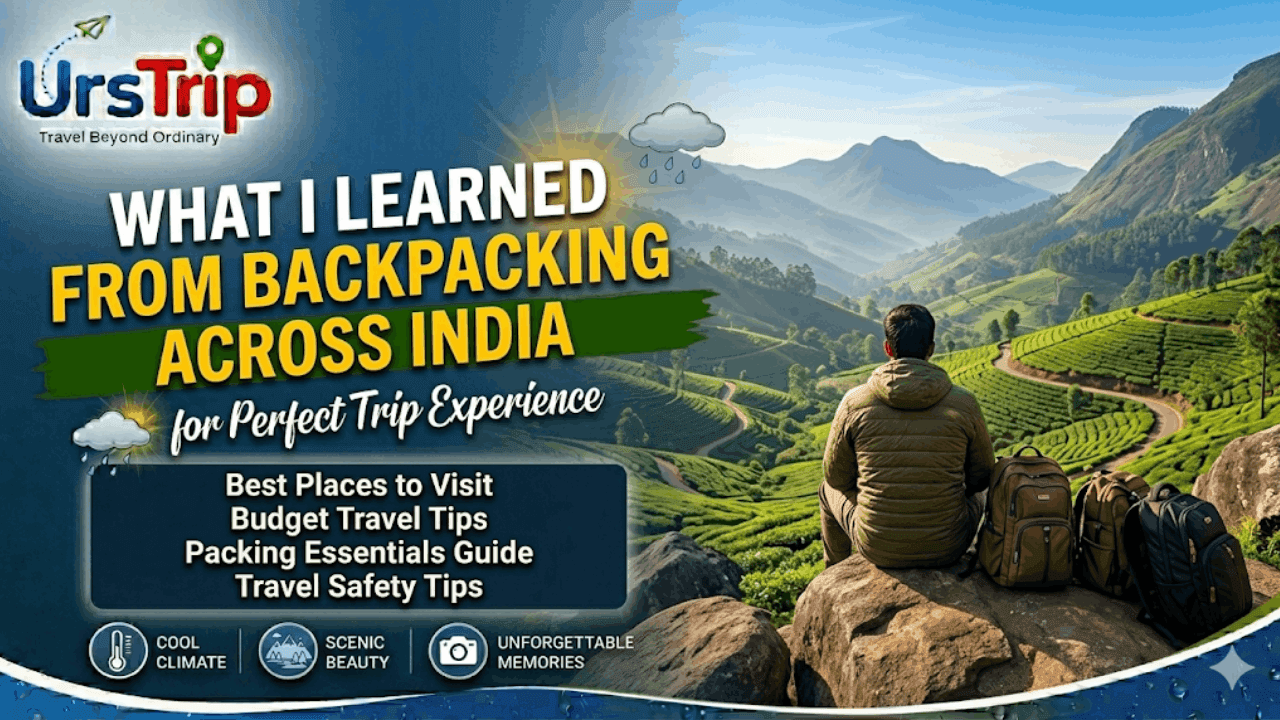
Backpacking across India isn’t just about collecting pretty photos or ticking off a list. It flips your ideas about comfort, connection, and even patience upside down. Every delay, unexpected conversation, and confusing moment—those are the things that stick.
The crazy part? These lessons outlast the trip. They change the way you travel anywhere else, and even how you approach everyday life. In the end, backpacking across India feels less like a journey and more like an ongoing, unpredictable conversation with the world—one you’ll keep having long after you unpack.